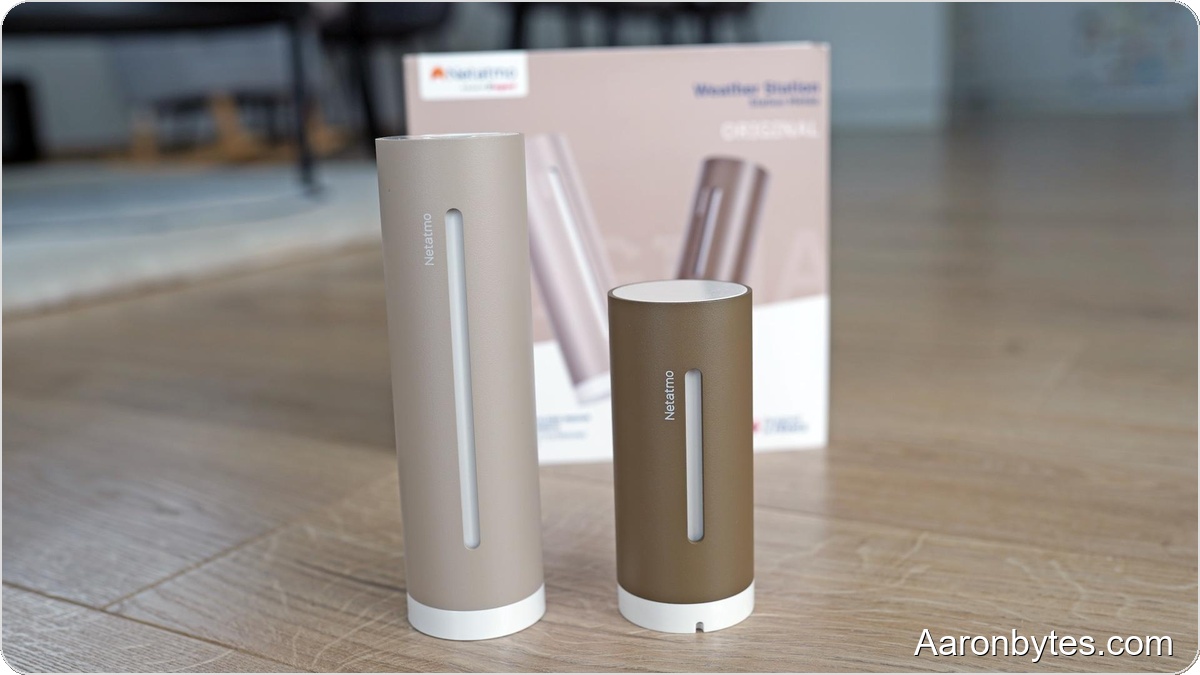
Netatmo launched its original home weather station in 2012. Now, in 2025, the company is billing a refreshed unit as a second-generation device. The hardware, however, is identical to the original.
Essentially Netatmo took the old product, changed the color options to Sand and Mint, and relaunched it. The new version is priced about 350 CZK lower, but otherwise it’s the same physical product.
Packaging and physical kit
The box contains two modules — a main indoor unit and an outdoor sensor — plus a user manual, a power adapter with a microUSB connector, and small mounting hardware for wall installation.
Two AAA batteries for the outdoor module are included. I used rechargeable cells in the first-generation outdoor sensor and charged them roughly once every 14 months. You can buy up to three additional indoor modules to place around the house, but a single main unit supports no more than three indoor modules plus one outdoor module.
Design and colors
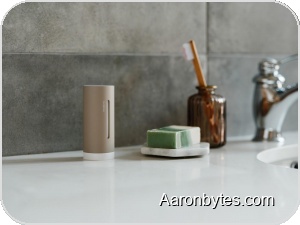
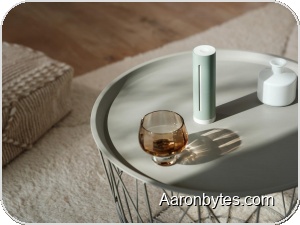
The design matches the original model exactly. This really is just a recolored first generation, which explains the two new finishes: Sand and Mint. Personal taste aside, I prefer the original silver.
App experience and new software features
The mobile app is clear and user-friendly. The home screen shows current temperature, air quality, humidity, and pressure.
Netatmo added pollen and UV data to the app. Pollen is broken down by trees, grasses, and weeds and rated on a five-step scale: none, low, medium, high, and very high. Each pollen type has a three-day forecast to help users anticipate peak exposure and plan activities.
There is a separate UV index screen. If you add Netatmo’s optional wind and rain modules, those values appear here as well. You can tap into any reading for more detail.
But there’s a catch: neither pollen nor UV is measured by the station’s hardware. Netatmo sources these values from external providers, like The Weather Company, so they are software-fed. Worse, the pollen and UV features are only available in the app for owners of the so-called second generation; first-generation owners do not get those in-app readings.
UV alerts and usefulness
UV exposure uses a 0 to 11+ scale with verbal categories of none, low, medium, high, very high, and extreme. The app can send alerts when the UV index reaches high levels, and it offers a 24-hour UV forecast. That can be useful for people with sensitive skin or those planning outdoor activities in summer.
Accuracy and local data
The external data sources proved reliable. When compared with Czech Hydrometeorological Institute readings, Netatmo’s numbers were broadly consistent. Accuracy drifts over longer timeframes, but I trusted Netatmo’s forecasts more than some other sources.
Indoor monitoring and indicators
Netatmo monitors indoor conditions and uses a simple color scheme to indicate air quality: green for good, orange for caution, and red for problematic levels. You can trigger the LED strip on the top of the hub by touching it to get a quick status without opening the app.
The indoor unit measures CO2 concentration, temperature, and noise level. Elevated CO2 is flagged because it can affect comfort and cognitive function, with ventilation offered as a remedy. For deeper analysis, you can buy an optional expansion module, which I did not test here.
Rotating the phone to landscape reveals detailed graphs and statistics in the app. The charts will appeal to weather fans and are hidden enough that casual users are not overwhelmed.
What does the station measure?
Temperature (indoor module): roughly 0°C to 50°C, accuracy ±0.3°C.
Relative humidity (indoor): 0%–100%, accuracy ±3%.
CO2 concentration and overall air quality (indoor): 0 to ~5,000 ppm, accuracy ±50 ppm. The station sends alerts at 1,000 ppm and 2,000 ppm.
Noise level (acoustic comfort, indoor): about 35 dB to 120 dB, averaged in five-minute intervals.
Atmospheric pressure (outdoor module): roughly 260 to 1,160 mbar.
Outdoor temperature (external module): roughly -40°C to +65°C, accuracy ±0.3°C.
Outdoor relative humidity: 0%–100%.
Feels-like and apparent temperature: calculated in-app based on humidity and wind for the area.
Pollen levels and UV exposure: not measured by the device; data supplied by external providers.
Web interface and ecosystem
If you prefer not to use the mobile app, Netatmo also provides a web interface. It can manage the weather station and other Netatmo products, such as thermostats and security devices.
Network effect: the global weather map
Netatmo publishes a global weather map powered by its network of stations. The company claims the densest private weather-station network in the world, and the map supports that: it’s easy to find Netatmo stations almost anywhere people live. Participation is optional, so you do not have to share your data publicly. In urban areas, the concentration of stations is particularly high.
Who should buy it?
For current first-generation owners asking whether to upgrade: don’t. There’s no hardware improvement, and the pollen and UV features are already available from many weather apps. Locking those software benefits behind a new unit is a poor move for loyal customers who may also own other Netatmo gear, like cameras.
For new buyers seeking a proven, functional home weather station, this remains a solid option. It offers reliable sensors, a clear app, and access to a large network of fellow users. The device’s lower price helps, though in 2025 the continued use of a microUSB power connector feels dated.