Are you sick of spending your weekends fighting a lost battle against weeds? Most people believe that growing a garden in their backyard will involve a lot of hard work and a heavy-duty tiller.
The truth is that you can have a healthy, prolific vegetable patch without ever digging up the ground. No-Dig Gardening: Start a Garden Without Hard Work is more than just a catchy phrase; it’s a way to change the way plants grow in your yard.
To “aerate” the soil, traditional gardening teaches us to dig, flip, and chop it. In actuality, this typically does more harm than good. When you dig, you break up the delicate fungal networks that feed your plants.
What is No-Dig Gardening?
No-dig gardening is a way to grow plants that focuses on constructing soil from the top down instead of delving into the ground. You don’t have to churn the soil to get rid of weeds or mix in fertiliser. Instead, you just put organic stuff, like compost and mulch, right on top of the soil.
This method is like the ground in a natural forest. No one in nature walks around with a plough, but the biggest trees on earth grow without any help from people.
You may keep the “soil food web” intact by not disturbing the soil. This includes earthworms, good bacteria, and mycorrhizal fungi, which help your plants grow by acting as a second root system.
Why You Should Stop Tilling Your Soil?
You know how tiring it is to till if you’ve ever done it for an afternoon. But tilling not only hurts your body, but it also makes extra labour for you in the long run.
1. Tilling Wakes Up Weed Seeds
There are a lot of weed seeds in the ground that are not growing. When you dig or till, the seeds come to the surface, where they can get the light they need to sprout. No-dig gardening keeps seeds buried and dormant under layers of compost.
2. It Destroys Soil Structure
Soil isn’t just “dirt.” Worms and roots transformed it into a complicated network of pores and tunnels. When you till, these tunnels fall in, which makes the soil more compact and makes it harder for water to drain.
3. It Kills the Good Guys
Earthworms are the ideal workers since they labour for free all the time. Tilling hurts them and destroys their dwellings. A no-dig method gives them a steady supply of food and a safe place to grow.
How to Start a No-Dig Garden: Step-by-Step
It’s surprisingly easy to start a garden this way. You don’t need a tractor or any other sophisticated tools. You need a lot of organic matter and a little bit of patience.
Step 1: Prepare the Site
You don’t even have to pull the grass. Just cut it as short as you can. If your weeds are tall, use a weed whacker or scythe to cut them down to the ground.
Step 2: The Cardboard Barrier
This is the “secret sauce” that makes the no-dig method work. Put a thick layer of plain brown cardboard on top of where you want to plant your garden. You need to make sure that the edges overlap by at least 6 inches so that weeds can’t get through the gaps.
Pro Tip: Remove all plastic tape and staples from the cardboard. This layer will eventually rot away, but the plastic won’t!
Step 3: Add the Compost Layer
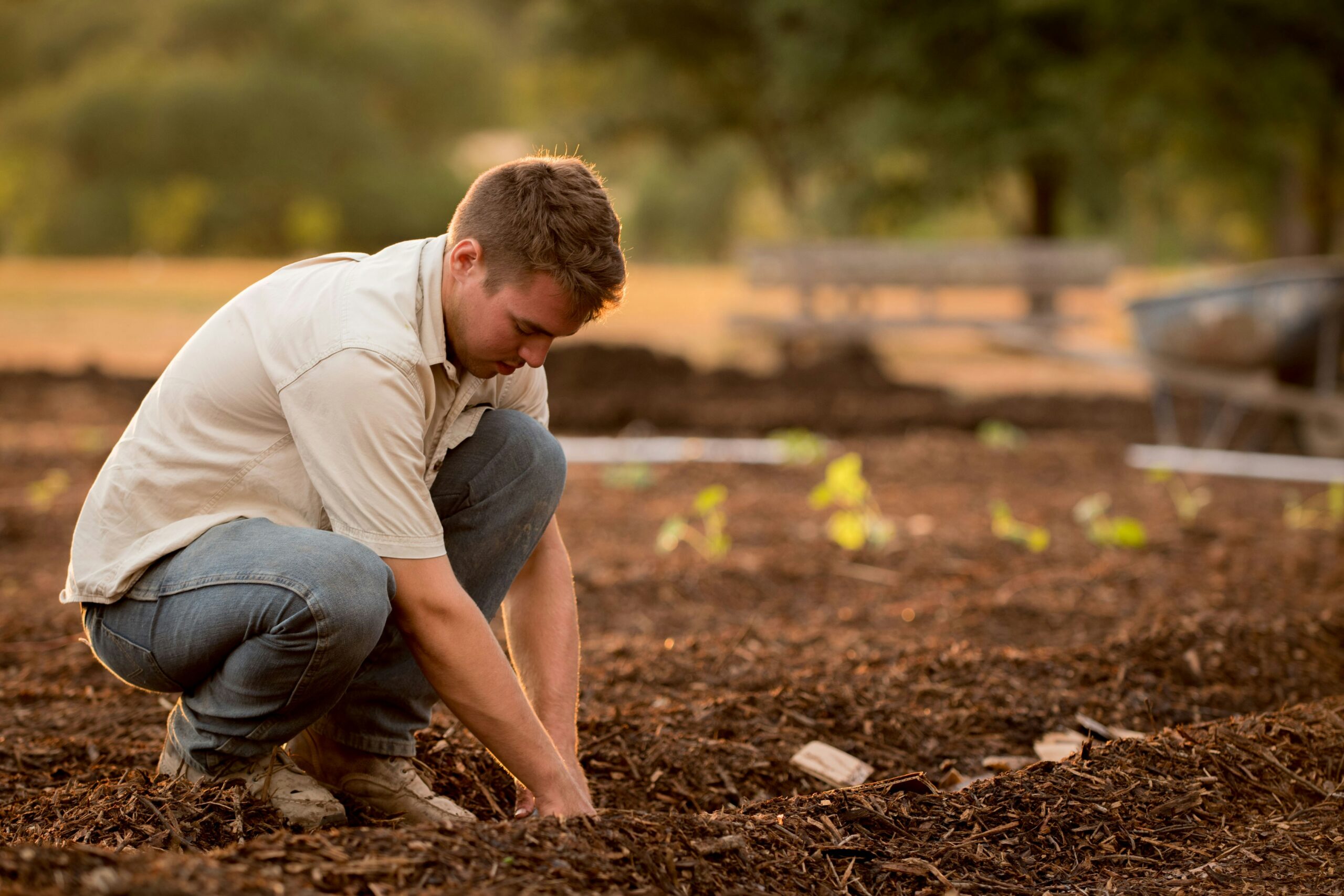
Put 4 to 6 inches of good garden compost right on top of the cardboard. This gives your plants a place to thrive right away, and the cardboard underneath kills the grass and weeds by blocking the light.
Step 4: Mulch the Paths
Cover the paths between your beds with wood chips or straw to keep your garden looking neat and to keep the mud from getting on the paths. This maintains the soil under the walkways healthy and defines your space.
The Best Materials for No-Dig Beds
Not all organic matter is the same. You want a balance of materials that give nutrients and keep moisture in to get the greatest outcomes.
| Material | Purpose | Why it Works |
| Cardboard | Weed Suppression | Blocks light and eventually feeds the worms. |
| Well-Rotted Manure | Nutrient Boost | High in nitrogen for leafy green growth. |
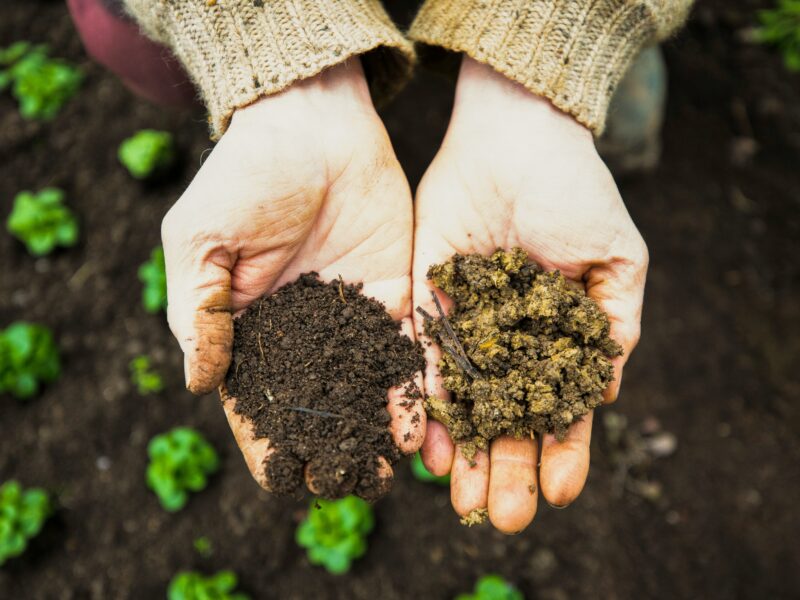
| Garden Compost | Growing Medium | Perfect texture for seeds and young roots. |
| Straw | Surface Mulch | Retains moisture and keeps fruit off the soil. |
| Wood Chips | Path Material | Long-lasting and builds fungal networks. |
Managing Weeds and Pests Without Chemicals
One worry is that a “lazy” garden will attract bugs. In fact, the reverse is true. You can get rid of pests by creating a balanced ecology that attracts “predatory” insects.
Hand-Weeding is Easier
It’s very easy to pluck out weed seeds that blow into your compost because the soil is soft and loose. You can get all of your wedding done for the week in about ten minutes.
Boosting Plant Immunity
Plants grow well in good soil. Plants have thicker cell walls when they can get a lot of different nutrients from the soil food web. Because of this, they are considerably less likely to get aphids, snails, or illnesses.
Water Conservation
The moisture stays locked in since you don’t mix up the soil all the time. The thick layer of compost soaks up water like a sponge. In a lot of places, no-dig gardeners need to water their plants 50% less than others who use other methods.
The Role of Mycelium in Your Garden
The invisible world below your feet is one of the most interesting sections of No-Dig Gardening: Start a Garden Without Hard Work. Mycelium, which is a fungal strand, works like the internet for plants.
These fungi attach to the roots of your plants. They give the plants sugars that they make through photosynthesis in exchange for water and minerals like phosphorus.
When you till, you tear this “internet” apart. These networks get very big and complicated in a no-dig system. This is why vegetables that you don’t have to dig up taste better and have more minerals than store-bought ones.
Essential Tools for the No-Dig Gardener
You only need a few simple things to get started. Forget about the big machines.
- A Good Wheelbarrow: You will be moving a lot of compost in the beginning.
- A Sharp Spade: Not for digging the bed, but for edging and cutting cardboard.
- A Broadfork (Optional): Some people use this to gently crack the soil to let air in without turning it over.
- Quality Compost: This is the most important “tool” in your arsenal.
Why Modern Agriculture is Moving Toward No-Till?
Not just home gardeners are making the transition. More and more big farms are using “no-till” methods to stop soil erosion and carbon loss.
When you till the soil, it lets carbon dioxide out into the air. It helps slow down climate change when it is left alone because it acts as a “carbon sink.” Starting a no-dig garden is actually suitable for the air on Earth.
According to the Rodale Institute, regenerative practices like no-till could sequester more than 100% of current annual CO2 emissions if practiced globally.
Tips for Success in Your First Year
Don’t expect everything to be perfect right now. It can take your soil a season or two to properly heal after years of being tilled or covered in grass.
- Start Small: It is better to have one perfectly managed 4×8 bed than a massive field of weeds.
- Use Clean Cardboard: Avoid cardboard with heavy, glossy printing or lots of colored ink, as these can contain heavy metals.
- Source Local Compost: Check with your city’s waste management. Many municipalities offer free or cheap compost made from yard waste.
- Keep it Covered: Never leave bare soil. If you aren’t growing a crop, cover the soil with a layer of mulch or a “cover crop” like clover.
Real Talk: Is it Truly “Zero” Work?
It always takes work to garden. You still need to sow the seeds, pick the crops, and sometimes pull a weed that isn’t in the right place.
But the task itself changes. You are “managing” a natural process instead of “fighting” the ground with heavy equipment and chemicals.
It’s like swimming against the current or going with it. You don’t sweat as much and have more time to watch, learn, and enjoy the tangible benefits of your labour.
This strategy is a game-changer if you have physical problems like arthritis or back pain. It lets you keep gardening long after other approaches would have gotten too complicated.
Conclusion
The finest thing you can do for your yard is to read “Embracing No-Dig Gardening: Start a Garden Without Hard Work.” It saves time, helps the environment, and makes plants healthier and stronger.
When you put down the tiller and take up a bag of compost, you are working with nature instead of against it. Your garden will be a peaceful area instead of a stressful one.