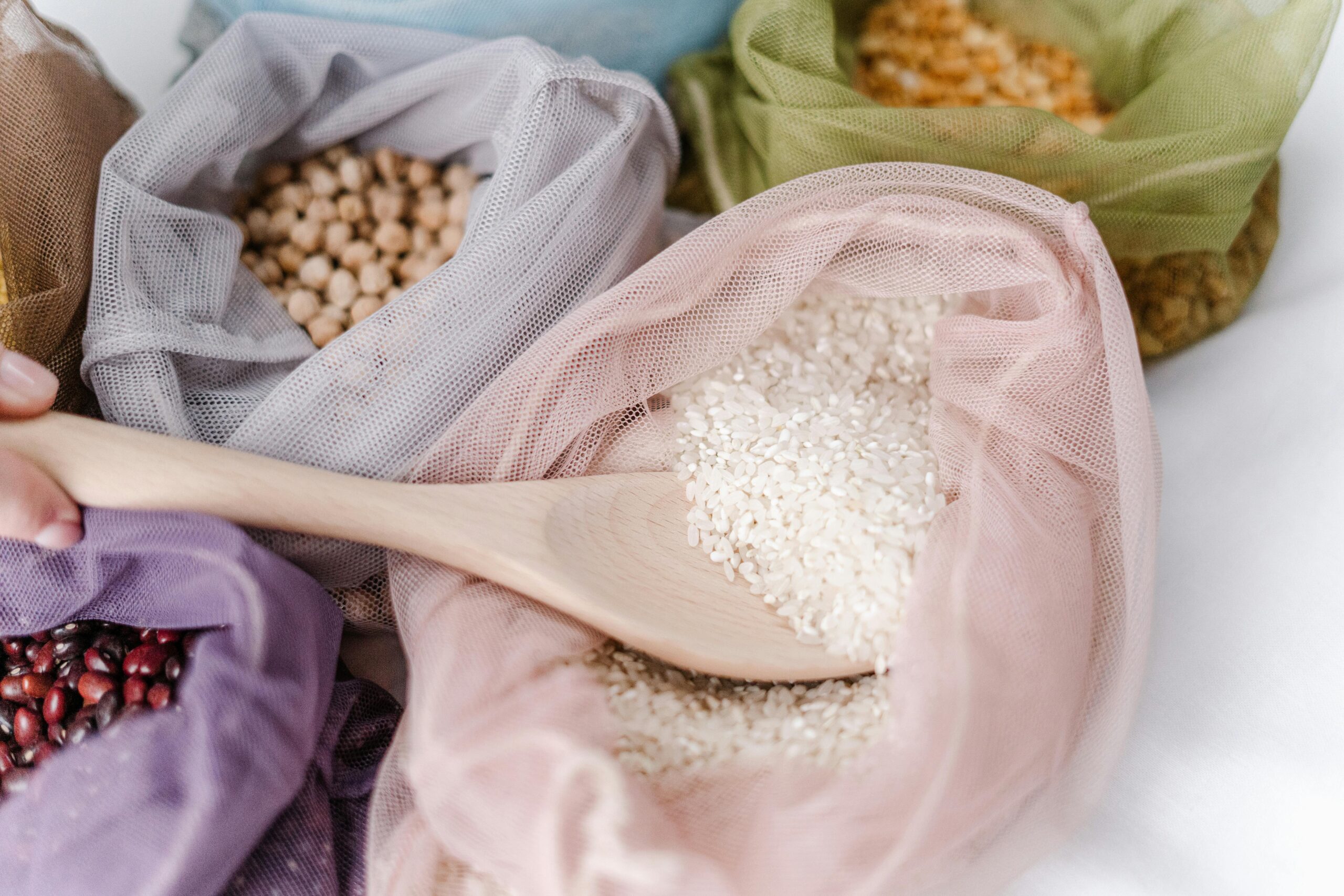
Rice is a kitchen staple that feeds billions worldwide, but improper storage can turn this versatile grain into a breeding ground for pests, mold, and rancidity.
Whether you’re a prepper building long-term food reserves or want to buy in bulk and save money, knowing how to store rice properly makes all the difference between fresh, fluffy grains and a pantry disaster.
Why Proper Rice Storage Matters?
Most people toss rice bags into the pantry and forget about them. That works for a few months, but if you’re storing rice long-term, you’re fighting against three major enemies: moisture, oxygen, and pests.
Moisture causes mold growth and clumping. Oxygen leads to oxidation, which degrades nutrients and causes off-flavors. Pests like weevils and meal moths can infest even sealed packages, laying eggs that hatch and contaminate your entire supply.
The good news? With the right storage methods, white rice can last 25-30 years, and brown rice stays fresh for 6-12 months when stored correctly.
White Rice vs Brown Rice: Storage Differences
Not all rice stores the same way. Understanding the difference saves you from disappointment down the road.
White rice has had its bran and germ removed during processing. This makes it less nutritious but incredibly shelf-stable. Without the oils present in the bran layer, white rice resists rancidity for decades when stored properly.
Brown rice keeps its nutrient-rich bran layer intact, which contains oils that eventually go rancid. Even with perfect storage, brown rice typically maxes out at 6-12 months before the oils break down and create unpleasant flavors. You can extend this to 18 months by refrigerating or freezing brown rice.
Best Containers for Long-Term Rice Storage
The container you choose directly impacts how long your rice stays fresh. Skip the original packaging for long-term storage—those bags aren’t airtight and offer zero pest protection.
- Food-Grade Plastic Buckets: Five-gallon buckets with gamma seal lids are the gold standard for bulk storage. They’re airtight, stackable, and reusable. Make sure they’re food-grade (look for HDPE #2 plastic) and haven’t been used for chemicals.
- Mylar Bags: These metallized bags block light, moisture, and oxygen when heat-sealed properly. Use them inside buckets for double protection, or standalone for smaller quantities. Pair them with oxygen absorbers for maximum shelf life.
- Glass Jars: Mason jars work beautifully for smaller amounts and kitchen storage. They’re completely airtight when sealed properly and let you see your rice at a glance. The downside? They’re heavy, breakable, and impractical for bulk storage.
- Vacuum-Sealed Bags: These remove air effectively but aren’t puncture-proof. Use them for shorter-term storage (1-2 years) or place them inside protective containers.
Avoid regular plastic bags, cardboard boxes, or containers with weak seals. They invite pests and moisture problems.
Oxygen Absorbers: Your Secret Weapon
Oxygen absorbers are small packets containing iron powder that remove oxygen from sealed containers. They’re non-toxic, inexpensive, and dramatically extend storage life by preventing oxidation and insect activity.
For rice storage, use 300-500cc oxygen absorbers for gallon-sized containers and 2000cc for five-gallon buckets. Place the absorber on top of the rice before sealing—it will create a slight vacuum as it works.
Once you open a package of oxygen absorbers, use them within 20 minutes. They start absorbing oxygen immediately when exposed to air. Store unused absorbers in a small mason jar with an airtight lid.
You’ll know they’re working when your mylar bags or sealed containers develop a vacuum-packed appearance within 12-24 hours.
Step-by-Step Storage Process
Getting your rice ready for long-term storage takes minimal effort but pays off for years.
Start by inspecting your rice for any signs of insects or debris. If you’re concerned about existing pest eggs, freeze the rice for 72 hours to kill any larvae. Let it return to room temperature before proceeding.
For bucket storage, line your clean, dry food-grade bucket with a mylar bag. Pour rice directly into the bag, filling it to about 2 inches from the top. Add your oxygen absorber, squeeze out excess air, and seal the mylar bag with a hot iron or heat sealer. Press firmly along the entire seal line. Close the bucket lid tightly.
For smaller containers, fill your mason jars or containers, leaving minimal headspace. Add an appropriately-sized oxygen absorber and seal immediately.
Label everything with the rice variety and storage date. This seems obvious, but you’ll thank yourself later when you’re rotating stock.
Ideal Storage Conditions
Where you store rice matters as much as how you store it.
Temperature stability is crucial. Aim for 40-70°F (4-21°C). Every 10-degree increase in temperature cuts storage life in half. Basements often work better than kitchen pantries that experience temperature swings from cooking.
Keep rice in a dark location. Light degrades nutrients and quality over time. If using clear containers, store them inside cabinets or cover them.
Humidity should stay below 15%. High humidity leads to condensation inside containers, creating perfect conditions for mold. Avoid storing rice directly on concrete floors, which can transfer moisture. Use pallets or shelving instead.
Keep rice away from strong-smelling items like cleaning products or spices. Rice absorbs odors readily, and you don’t want soapy-tasting rice.
Dealing with Rice Pests
Even with precautions, you might discover bugs in your rice. It happens to everyone eventually.
Weevils are small brown beetles about 1/8 inch long. Rice moths leave behind webbing and larvae. Indian meal moths create clumps of rice stuck together with silk-like material.
If you find pests in stored rice, your best options are freezing (if caught early) or disposal (if heavily infested). Never use pesticides on food meant for consumption.
Prevention beats treatment. Bay leaves placed in storage containers naturally repel many insects without affecting rice flavor. Replace them every six months.
Diatomaceous earth (food grade only) sprinkled lightly through rice creates a microscopic barrier that damages insect exoskeletons. Use sparingly—about 1 cup per 5-gallon bucket, mixed thoroughly.
How to Tell if Stored Rice Has Gone Bad?
Even properly stored rice eventually degrades. Know the warning signs.
Off odors are the first indicator. Fresh rice smells slightly nutty or neutral. Rancid rice smells sour, musty, or like old paint. Trust your nose—if it smells wrong, don’t eat it.
Discoloration or dark spots indicate mold growth. Any visible mold means the entire batch is contaminated and should be discarded.
Unusual texture when you handle the rice suggests moisture problems. It might feel sticky or clumped together instead of free-flowing.
Pest evidence includes live or dead insects, webbing, holes in grains, or fine powder (insect excrement).
When in doubt, cook a small test batch. Bad rice tastes bitter, sour, or generally unpleasant.
Rice Varieties and Storage Differences
Different rice types have varying storage lives even under ideal conditions.
- Jasmine and Basmati Rice: These aromatic varieties store well for 2-5 years but gradually lose their distinctive fragrance. Their oils are more volatile than regular white rice.
- Wild Rice: Actually a grass seed, not true rice. Stores like brown rice with a 6-12 month shelf life due to its oil content.
- Instant Rice: Pre-cooked and dried, instant rice stores for 1-2 years. Its processed nature makes it less stable than raw white rice.
- Sushi Rice: Short-grain white rice that stores like other white varieties for decades when properly sealed with oxygen absorbers.
Rotating Your Rice Supply
Long-term storage works best with a rotation system. Use the “first in, first out” principle.
Date all containers clearly. Keep newer purchases in the back, older stock in front. This ensures you use rice before it reaches maximum storage time.
For bulk storage, maintain a working supply in your kitchen separate from your long-term reserves. Refill your kitchen container from storage as needed rather than opening long-term containers repeatedly.
Check stored rice every 6-12 months for any signs of problems. Catching issues early prevents total loss.
Cost-Effective Bulk Buying
Buying rice in bulk and storing it properly saves significant money over time.
Restaurant supply stores often sell 25-50-pound bags at prices far below supermarket rates. Asian grocery stores typically offer better prices than mainstream stores.
Watch for sales and stock up when prices drop. Rice prices fluctuate, and buying low means more food security for less money.
Calculate your family’s rice consumption before buying. A typical serving is about 1/4 cup uncooked per person. A family of four eating rice three times weekly needs roughly 75 pounds annually.
Emergency Preparedness Considerations
Rice forms the backbone of most emergency food supplies for good reasons.
It’s calorie-dense, nutritionally adequate when combined with beans, and requires only water and heat to prepare. A 5-gallon bucket holds approximately 35 pounds of rice—enough to provide 50,000+ calories.
Store rice in multiple locations if possible. Keep some in your home, some in a climate-controlled storage area, and consider keeping emergency supplies at a trusted friend or family member’s location.
Remember that stored rice needs preparation. Ensure you have adequate water, fuel, and cooking equipment actually to use your stored rice during emergencies.
The Bottom Line
Storing rice for 2+ years isn’t complicated, but it requires intention. Use proper containers, oxygen absorbers, and stable storage conditions. White rice lasts decades; brown rice needs more attention and shorter timelines.
The investment in quality storage materials pays for itself through reduced waste, bulk buying savings, and peace of mind knowing you have a reliable food supply. Start small if you’re new to food storage—a few buckets of rice stored properly beats a pantry full of bags that won’t last the year.