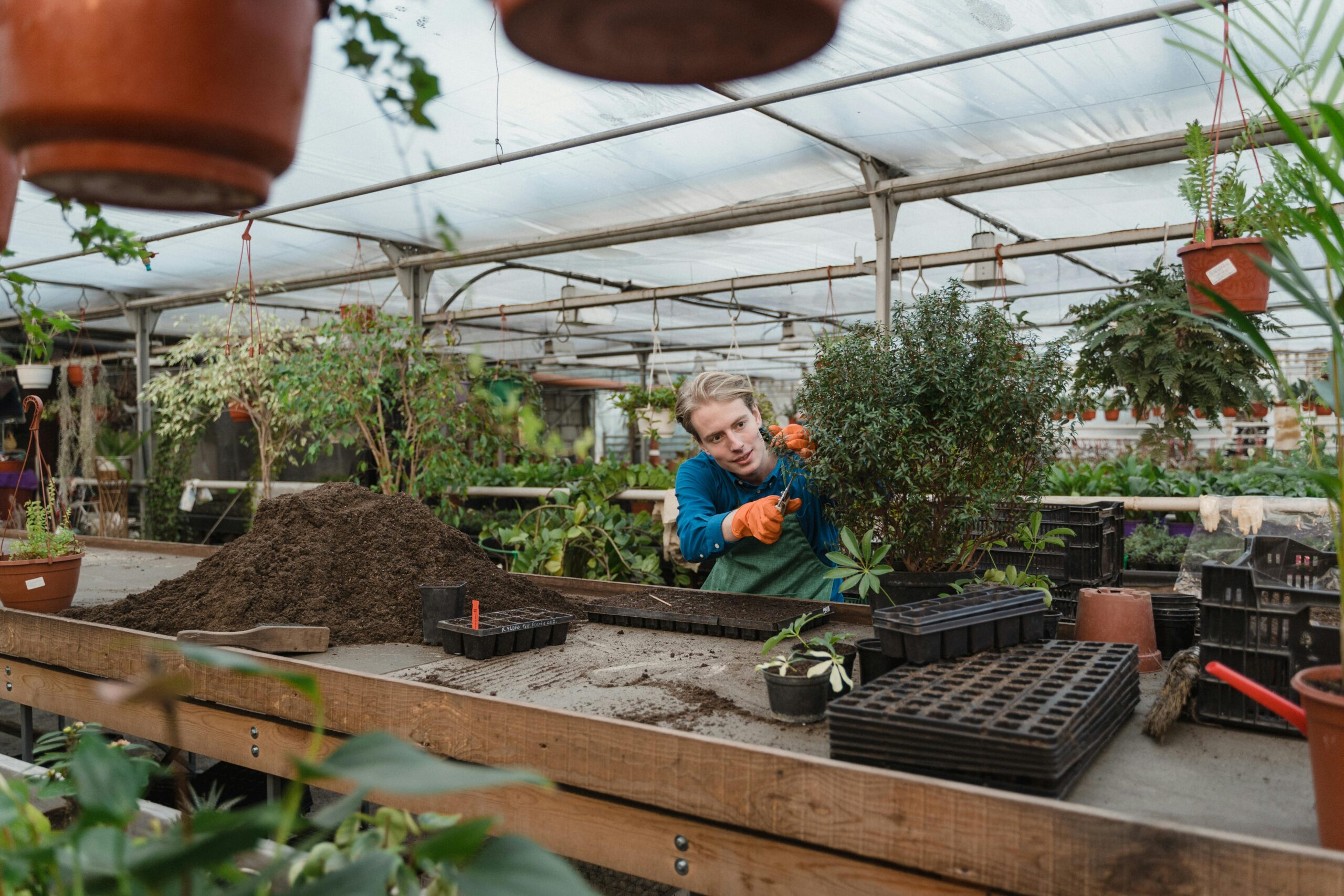
Owning a greenhouse fundamentally changes how you interact with your garden. Instead of being entirely at the mercy of unpredictable spring frosts or early autumn chills, you gain a pocket of controlled climate that extends your growing season by four to six weeks on either end.
But stepping into greenhouse gardening is a steep learning curve. A glass or polycarbonate box is not a magic growing chamber; it is a highly active, sensitive microclimate.
When you set up your first small greenhouse, you are stepping into the role of a micro-meteorologist. The margin for error is smaller under glass.
Temperatures can swing wildly, humidity can pool and breed fungus, and pests can multiply without natural predators to keep them in check. Success requires balancing structure, site, soil, and airflow before a single seed goes into the ground.
Choosing Your Structure: Materials and Glazing
The market is flooded with flimsy pop-up tents and cheap walk-in kits. While a $100 polyethylene (PE) zipper tent might seem like a low-risk entry point, the zippers frequently fail, and the cover degrades quickly under UV exposure.
If you want a structure that survives beyond a single season, look toward polycarbonate or glass walk-in models.
Frame materials dictate longevity. Heavy-duty galvanized steel is unmatched for harsh, snowy climates. At the same time, powder-coated aluminum offers a rust-proof, lightweight alternative that is much easier for a beginner to assemble over a weekend.
Glazing the clear panels that make up the walls and roof is where you make your most critical decision.
- Standard Polycarbonate: A 4mm to 6mm twin-wall polycarbonate panel is the industry baseline. The twin-wall construction traps a layer of air between the plastic sheets, offering vastly superior insulation compared to single-pane glass.
- Heavy-Duty Polycarbonate: Premium models meant for overwintering utilize 8mm to 10mm twin-wall panels. These thicker panels offer exceptional thermal retention and hail resistance, though they come at a higher cost.
- Light Transmission: Keep in mind that standard 6mm plastic allows about 91% light transmission, but polycarbonate degrades slowly over time, and dirt or condensation can easily knock another 10% to 20% off your available light.
Siting: Location is Everything
Placing your greenhouse in the wrong spot is a mistake you will pay for every day. Your primary goal is maximum sun exposure, ideally with the longest side of the greenhouse facing south to capture the low winter sun.
Look up and look down before you build. Nearby trees are a significant hazard. They drop leaves that block light, shed branches that can shatter panels, and send aggressive root systems underground to steal moisture and nutrients meant for your tomatoes.
If a mature tree casts a shadow over your chosen spot from midday onward, find another location.
Comparing Greenhouse Flooring Options
Your floor is the foundation of your greenhouse ecosystem. It affects drainage, humidity, and even thermal mass. Do not just build directly over raw lawn, as weeds will quickly take over, and the ground will turn into a muddy swamp from regular watering.
| Flooring Material | Practical Advantages | Downsides & Trade-offs | Best For |
|---|---|---|---|
| Gravel (Crushed Stone) | Excellent drainage, acts as a heat sink, is cheap, and naturally suppresses weeds. | Difficult to walk barefoot; hard to roll heavy carts across. | Budget-conscious beginners wanting low maintenance. |
| Concrete Slab | Extremely durable, easy to sweep, and handles heavy staging shelves effortlessly. | Poor natural drainage (requires pre-drilled drain holes); expensive and permanent. | Permanent, premium setups and heavy users. |
| Stone Pavers | Aesthetically pleasing, stable, and holds residual heat well into the evening. | Labor-intensive to level and install correctly. | Gardeners want a balance of aesthetics and function. |
| Natural Dirt/Soil | Free, allows for direct border planting, and supports natural soil ecology. | Prone to muddy patches, uneven settling, and soil-borne diseases. | Traditional gardeners grow large crops straight in the ground. |
For a beginner, a 3-inch deep layer of crushed gravel laid over a high-quality, woven weed-barrier landscape fabric provides the best balance of cost, drainage, and ease of installation.
The Holy Trinity: Ventilation, Shading, and Heating
If there is one absolute truth in greenhouse gardening, it is this: you will cook your plants long before you freeze them. A greenhouse acting as a solar trap can easily hit 110°F on a mild 70°F sunny day if left sealed.
Perfecting the Chimney Effect
You cannot just crack the front door and expect good airflow. Adequate ventilation requires cross-breeze and thermal dynamics. The standard horticultural rule is that your total ventilation area (vents and windows) should equal at least 20% of your total floor space.
To achieve this, pair low-mounted side louvers with roof vents. Cold air gets drawn in through the low louvers, warms up around your plants, and naturally exhausts out the roof vents, creating a passive “chimney effect.”
If you work away from home during the day, manual vents are a disaster waiting to happen. Invest in automatic vent openers. These genius, electricity-free devices use a wax-filled cylinder that expands as the greenhouse heats up, mechanically pushing the window open. As the evening cools, the wax contracts, and heavy springs pull the window safely shut.
Managing Light and Cold
During the peak of summer, ventilation alone won’t save tender crops from heat stress. Leaf temperatures can soar higher than air temperatures. Suspending a 40% shade cloth over the exterior roof from June through August will prevent blossom drop in your tomatoes and leaf scorch on your cucumbers.
When the season shifts toward winter, bubble wrap is your best defense in an unheated setup. Affixing horticultural-grade bubble wrap to the interior framework reduces heat loss by up to 50%, easily keeping the space 5°C to 10°C warmer than the ambient outside air.
Automating Irrigation: Don’t Become a Slave to the Hose
Because your plants are cut off from natural rainfall, greenhouse soil dries out incredibly fast. Hand-watering daily becomes a chore, and uneven watering leads to issues like blossom end rot in tomatoes or split skins on fruit.
A beginner should implement a simple automated system early on.
- Ollas: For small raised beds inside a greenhouse, burying unglazed terracotta pots (ollas) filled with water is an ancient, foolproof method. The porous clay slowly releases moisture directly to the root zone as the soil dries out, making overwatering impossible.
- Drip Irrigation: The gold standard for greenhouse growing. A low-pressure mainline pipe runs along your greenhouse staging or border, with individual 1/4-inch micro-tubing lines and emitters placed at the base of each plant. Paired with a simple battery-operated hose timer and a 30-psi pressure regulator, this system delivers precise amounts of water directly to the roots without wetting the foliage, a critical step in preventing fungal diseases like grey mold or powdery mildew.
Mini Real-World Scenario:
The Over-Watered Tomatoes. I once consulted on a beginner’s 8×10 setup where the owner was watering tomatoes overhead with a hose every evening. The dense, wet foliage sat in a sealed, humid environment all night.
Within a week, a severe botrytis (grey mold) infection wiped out half the crop. The fix was simple: shift watering to 8:00 AM so the sun could dry the ambient humidity, and install a $40 drip irrigation kit to keep the leaves completely dry.
What to Grow First: Easy Wins and Productive Staples
Greed is the enemy of the beginner. It is tempting to buy every seed packet on the rack, but overcrowding leads to poor airflow, shading, and pest explosions. Start with a few highly productive, forgiving crops.
The Quick Wins (Spring & Autumn):
Radishes and lettuce are incredible confidence builders. Sown in late February or early March, varieties like Cherry Belle radish or Salad Bowl lettuce germinate in just 5 to 7 days, even in cool 4°C soil.
Because they mature in 25 to 30 days, you get a fast, edible return on your effort. Space radish rows about 15cm apart, and succession-sow a new batch every two weeks.
The Summer Heavyweights:
Tomatoes and cucumbers are the undisputed kings of summer glasshouses. For tomatoes, choose a cordon (indeterminate) variety. These vines will easily reach 1.8 meters tall and require a sturdy string trellis tied to the roof frame.
You must aggressively pinch out the side shoots weekly to direct the plant’s energy into fruiting rather than foliage. A well-managed greenhouse tomato plant can yield 3kg to 5kg of fruit per season.
For cucumbers, look for “all-female” or parthenocarpic varieties (like Mini Munch) that do not require insect pollination. Train them vertically up a string to save precious floor space.
5 Common Beginner Mistakes
- Flying Blind on Temperature: Guessing the temperature leads to dead plants. Spend $15 on a digital max-min thermometer that records overnight lows and daytime peaks. You cannot manage what you do not measure.
- Reusing Old Potting Soil: Bringing last year’s patio soil into a warm, humid greenhouse is an invitation for fungus gnats, blight, and soil-borne diseases. Always use fresh, sterile, peat-free compost blends containing perlite or coco fiber for container growing.
- Ignoring Pests Until It’s Too Late: Whiteflies and red spider mites love a hot, dry greenhouse. Hang yellow sticky traps early to monitor populations. If mites appear (look for fine webbing), misting the foliage to raise humidity often disrupts their breeding cycle.
- Leaving the Door Shut on Hot Days: Automatic roof vents are great, but on a 90°F July day, you still need to open the main door to allow massive heat exchange physically.
- Watering in the Evening: Always water in the morning. Evening watering leaves the greenhouse atmosphere loaded with moisture overnight as temperatures drop, creating the perfect conditions for powdery mildew to take hold.
Summary
Starting a small greenhouse requires an initial investment of time, observation, and structural planning. The learning curve involves a few scorched leaves and forgotten vents.
But once you calibrate the airflow, establish a baseline watering routine, and dial in the seasonal rhythms, that small glass structure transitions from a gardening experiment into a highly predictable, year-round engine of food production.
Check with authoritative bodies like your local university agricultural extension program for exact planting dates tailored to your specific hardiness zone to make the most of your new setup.