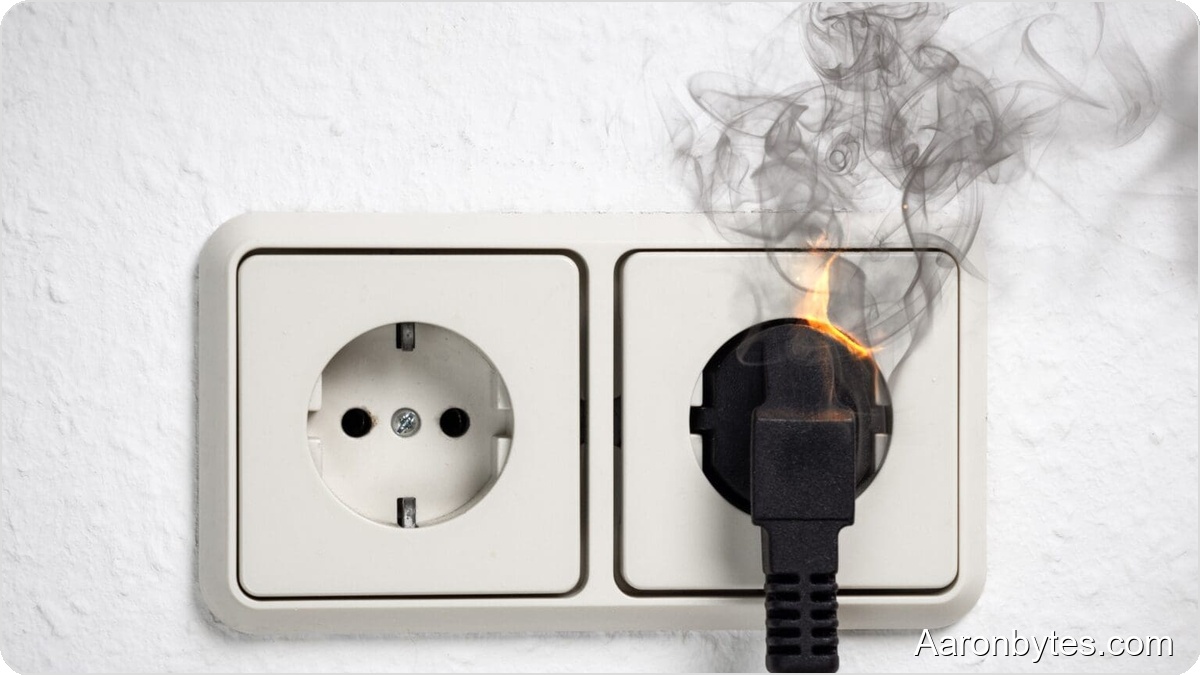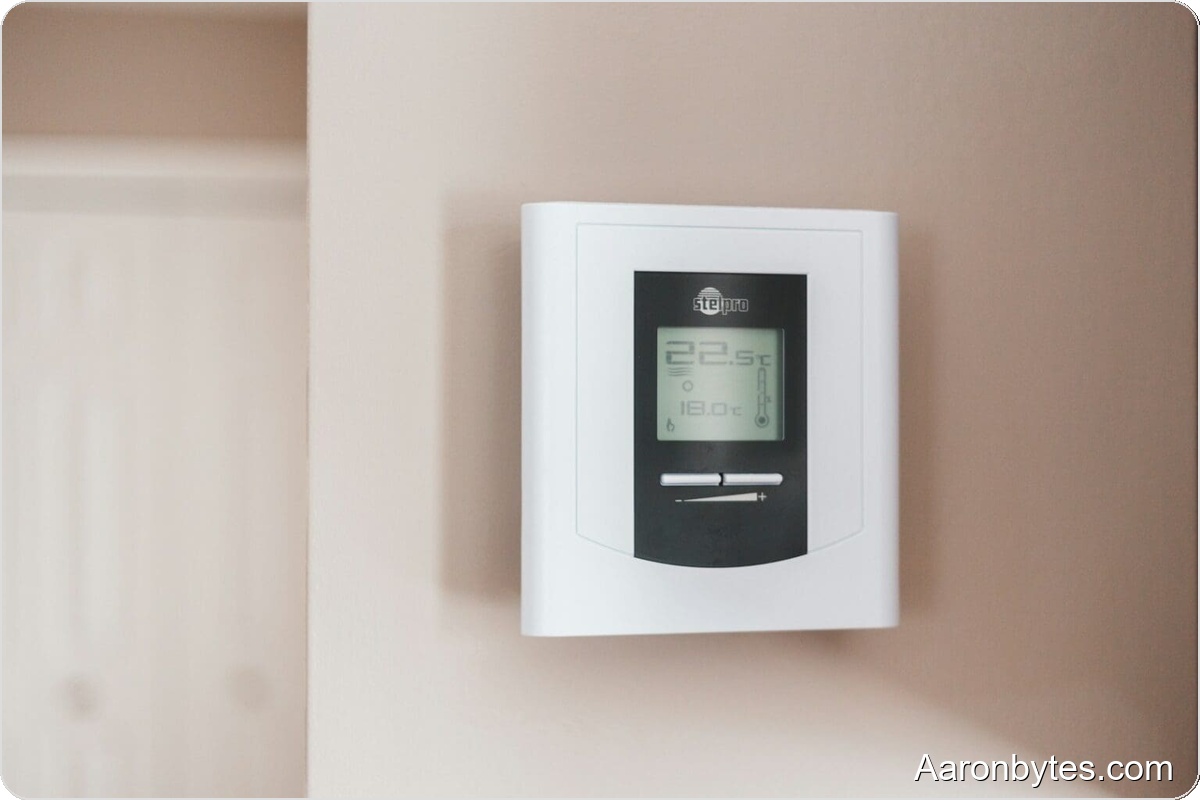
Turning the heat off overnight feels like an obvious way to cut bills, but starting from zero can be counterproductive.
After weeks of cold weather, we crank up heating systems and then brace for the electricity, gas, or diesel bill. That’s why squeezing every possible saving matters, and small moves like thermostat control help. One oft-repeated tip is to shut the heat off at night to save money. But is that always true?
There’s a healthy minimum indoor temperature
Before you decide to shut off your heating, remember that while an off system uses no energy, it can harm health in some cases. Public health guidance sets a minimum indoor temperature below which living spaces are not recommended because of health risks.
Comfortable indoor temperatures for passive activities in winter are generally 21 to 23 degrees Celsius during the day and 15 to 17 degrees Celsius at night. The World Health Organization sets a minimum healthy household temperature at 18 degrees Celsius. Living below that raises the risk of respiratory illnesses such as asthma flare-ups, worsening chronic obstructive pulmonary disease, and lung infections. Cold also constricts blood vessels and strains the circulatory system.
Experts say the most vulnerable groups—older adults, children, and people with chronic conditions—may need indoor temperatures higher than 18 degrees Celsius.
So whether turning heating fully off is safe or not depends on individual health, where you live, and how low indoor temperatures actually fall overnight. Dropping below roughly 17 to 18 degrees Celsius can be counterproductive to health, and a home that cools to 10 degrees is a very different situation than one that only slips to 17 degrees.
Full shutdowns can be more expensive in practice
There are practical reasons to think twice about completely switching off heating during cold nights. The thermal inertia of heating systems matters.
Iberdrola points out that if a boiler is off and the indoor temperature has fallen below about 8 degrees Celsius, the system will need extra effort to bring the house back up to a comfortable 18 to 20 degrees. That extra work could consume as much energy as leaving the thermostat at about 15 degrees Celsius overnight, producing little to no real savings.
In other words, if your usual pattern is to turn the boiler off overnight and back on in the morning—especially when indoor temps drop to around 10 degrees—it’s often better to keep the system at a low maintenance temperature, around 14 to 15 degrees. You’ll spend about the same but retain more comfort.
Boilers also need to reach an optimal operating temperature before they can effectively heat radiators, a process that takes time and reduces morning comfort for dressing, showering, and getting ready. You may save energy while the unit is off, but restarting from cold can make it harder and slower to reach the ideal temperature.
If you live in a humid area, letting rooms get very cold can cause moisture to condense on walls and furniture, increasing the risk of damage and forcing more frequent maintenance, such as repainting.
Iberdrola also warns that most boilers are not designed for constant on-off cycling. Frequent cycling increases component stress and can shorten equipment life.
Even when you’re away for several days in a cold region, Iberdrola advises maintaining a minimum holding temperature of roughly 14 to 15 degrees Celsius to prevent condensation without raising energy consumption significantly.
Electric heating and time-of-use tariffs change the math
There’s another important exception for homes using electric heating—radiators or heat pumps—where occupants are home in the morning. If you’re on a time-of-use electricity tariff, early morning hours are often the cheapest, sometimes two to five times cheaper than peak rates.
So if your house temperature drops a lot overnight—say toward 10 degrees—you might consume almost the same energy by keeping heating on at a low level (15 to 18 degrees) for eight overnight hours as you would by shutting it off and firing it up during expensive daytime hours when electricity prices are high, and the system must heat everything at once.
That timing difference can erase any perceived savings from a full overnight shutdown and leave you with less comfort and more wear on your system.