
Most gardening advice presupposes that you have a large, sun-drenched backyard. Many of us, particularly those dealing with urban lots, tall fences, or mature trees, have a garden that is thrown into shadows for the majority of the day.
When you only get four hours of direct sunshine, you have what horticulturists refer to as “partial shade.”
You can grow food under these conditions. The goal is to shift your expectations away from summer heavyweights like tomatoes and peppers and toward crops that prefer shade.
The “Leaf or Root” Rule of Thumb
Plants that produce fruit like cucumbers, squash, and eggplants require massive amounts of energy to grow vines, form blossoms, and swell their fruit to maturity. That energy comes directly from photosynthesis, which is why those plants demand a strict 6 to 8 hours of full sun.
If you try to grow a tomato in four hours of sun, the plant might survive, but it will be weak, spindly, and rarely produce more than a handful of small, flavorless fruits.
However, if you are growing a plant for its leaves or its roots, the energy requirement is significantly lower.
Foliage plants don’t need to push energy into flowers or heavy fruits. They need enough light to grow leaves. Root vegetables store their energy underground and can get by on less light, though they will grow more slowly than they would in full sun.
The Best Leafy Greens for 4 Hours of Sun
Leafy greens aren’t just tolerant of partial shade; in many climates, they actually benefit from it. Summer heat triggers greens to “bolt” (go to seed and turn bitter).
A garden bed that only gets four hours of morning sun is the perfect microclimate for keeping greens tender well into the warmer months.
Loose-Leaf Lettuce
Skip the tightly bound heading lettuce, like Iceberg. They require more energy and longer days to form a solid core. Instead, plant loose-leaf varieties.
- Best varieties for shade: ‘Black-Seeded Simpson’, ‘Salad Bowl’, and ‘Oakleaf’.
- Practical tip: You can harvest loose-leaf lettuce using the “cut-and-come-again” method. Snip the outer leaves when they are a few inches long, and the plant will continue generating new leaves from the center, even in low light.
Spinach
Spinach is notoriously sensitive to heat and long daylight hours. If you plant spinach in a full-sun bed in May, it will likely bolt by June.
Planting spinach in an area that only receives four hours of sunlight significantly extends your harvest window. You will get slightly smaller leaves, but they will be sweeter and more tender.
Arugula
Arugula grows so fast that it rarely has time to miss the sun. Even in partial shade, you can usually harvest baby arugula leaves within 25 to 30 days of sowing.
If your shaded area gets its four hours of sun in the intense late afternoon, arugula’s peppery bite will become much sharper. If the sun is in the morning, the flavor will remain mild.
Swiss Chard and Kale
Both of these rugged greens are incredibly forgiving. While they will grow massive in full sun, they will produce a steady, reliable supply of medium-sized leaves in just four hours of light.
- Observation: In deep summer, kale grown in partial shade suffers from far fewer aphid infestations than stressed kale baking in the full sun.
The Best Root Vegetables for Partial Shade
Root vegetables are the next best option for low-light gardens. The trade-off here is time. Because the plant is receiving less solar energy, it will take longer to swell the root to a harvestable size.
Radishes
Radishes are the sprinters of the vegetable world. While a full-sun radish might be ready in 25 days, a shade-grown radish might take 35 to 40 days.
- Best varieties: Stick to small, round varieties like ‘French Breakfast’ or ‘Cherry Belle’. Avoid large winter radishes like Daikon, which require more time and energy to form their massive taproots.
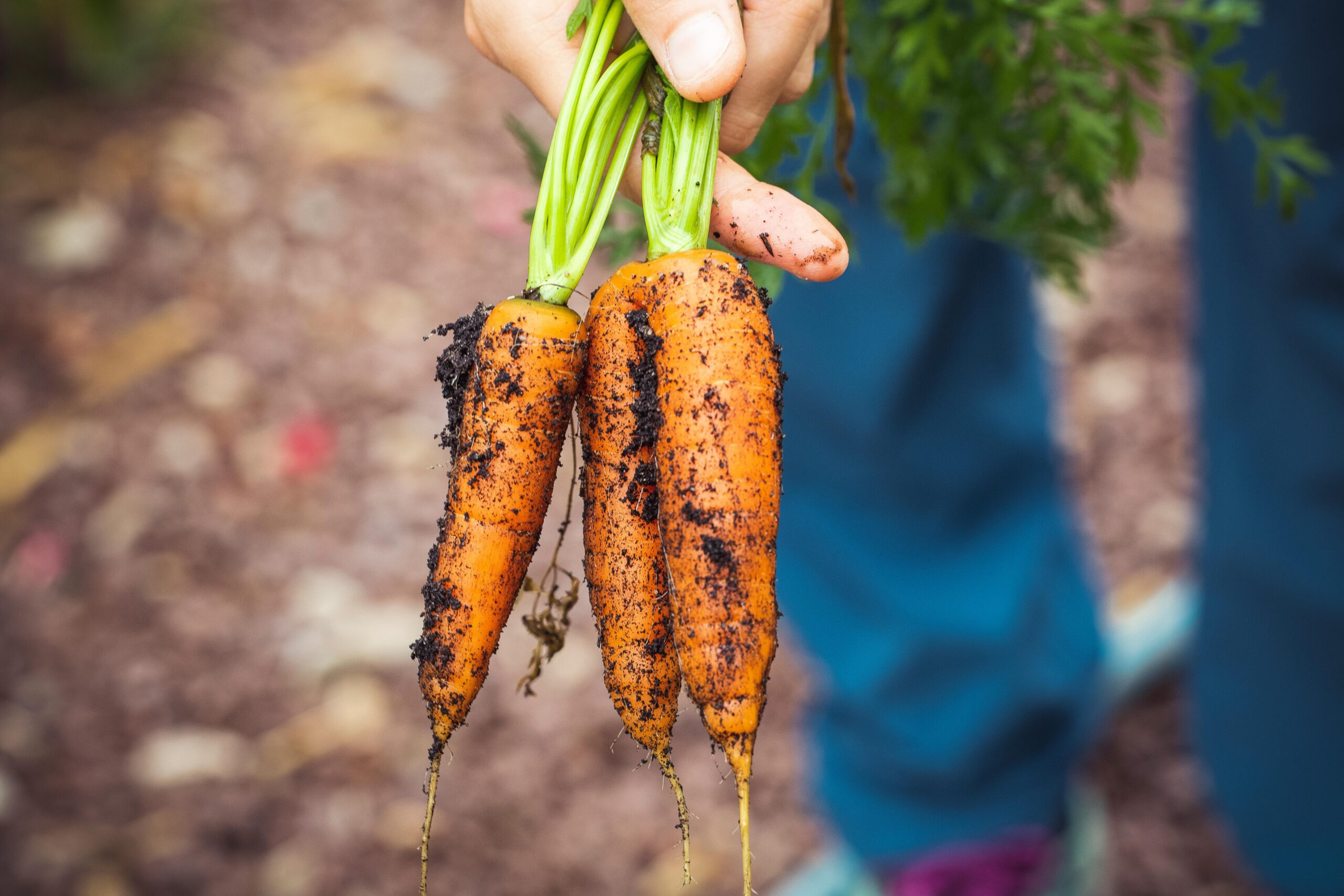
Carrots
Growing carrots in four hours of sun requires patience and the right seed selection.
Do not attempt to grow large storage carrots (like Danvers or Imperator types) in deep shade; you will end up with nothing but an abundance of green carrot tops and tiny, stringy roots.
Instead, opt for short, stubby, or round varieties. ‘Parisian’ (which looks like an orange radish) and ‘Little Finger’ perform remarkably well in low light because they don’t have to push deep into the soil.
Beets
Beets are a dual-purpose crop, making them perfect for shade. Even if your four hours of sun isn’t quite enough to produce a baseball-sized beet root, the plant will still produce an abundance of highly nutritious beet greens, which can be sautéed exactly like Swiss chard.
The Edge Cases: Brassicas and Bush Beans
If your garden gets exactly four hours of very high-quality, direct midday sun, you can push the boundaries slightly.
Broccoli and Cauliflower: These will grow in four hours of light, but the heads will be smaller and looser than those found in grocery stores. You are more likely to get “side shoots” (small florets) rather than one massive central crown.
Bush Beans: While vine-growing pole beans need full sun to climb and produce, low-growing bush beans can often manage a respectable harvest in partial shade. The yield won’t be enormous, but it is enough to make a fresh summer salad.
How Shade Changes Garden Maintenance?
Gardening in four hours of sun isn’t just about choosing different plants. It completely alters how you manage soil, water, and pests. Beginners often ruin shade crops by treating them as if they are growing in the full sun.
1. The Soil Stays Wet Longer
In a full-sun garden, the top inch of soil dries out quickly due to evaporation. In a shaded garden, the soil holds moisture for days.
If you water your shade garden on a fixed schedule (e.g., “every morning”), you will almost certainly drown your plants and cause root rot.
Always use the finger test. Push your index finger into the soil up to the second knuckle. If it feels damp, do not water, even if the surface looks a bit dry.
2. Slower Soil Warming in Spring
The sun doesn’t just feed plants; it heats the soil. Seeds need specific soil temperatures to germinate.
In a shaded garden, the soil can take weeks longer to warm up in the spring compared to the rest of the yard.
- Practical workaround: Do not direct-sow seeds into cold, shaded soil in early spring. Instead, start your seeds indoors under a cheap grow light or on a sunny windowsill. Transplant them into the shade garden once they are established, and the ambient air is consistently warm.
3. Spacing and Airflow
Because shaded areas are cooler and damper, they are prime breeding grounds for fungal diseases like powdery mildew.
To combat this, you must give your plants more space. If a seed packet recommends spacing lettuce 6 inches apart, space them 8 or 9 inches apart in a shade garden.
This extra space allows wind to pass between the leaves, drying them off after a rain and preventing mold spores from settling.
4. The Slug Problem
Slugs and snails despise the hot sun and dry soil. A shaded, damp lettuce patch is their ideal habitat.
If you are growing leafy greens in four hours of sun, pest management will be your primary chore.
- Avoid woodchip mulch in shaded vegetable beds, as it provides hiding places for slugs. Use compost instead.
- Set up beer traps (a shallow dish of cheap beer sunk into the soil) near your hostas and lettuce.
- Water only at the base of the plants, and do it in the morning so the surface has a chance to dry before nightfall, when slugs are active.
How to Maximize Limited Sunlight?
If you are right on the edge of that four-hour mark, you can use a few environmental tricks to amplify the light your plants receive.
Use Reflective Surfaces: Light bounces. If your shade garden is next to a fence or a shed wall, paint that surface a bright, flat white. The wall will act as a reflector, bouncing ambient light back onto the foliage.
Limb Up Your Trees: If an overhead tree canopy causes your shade, you don’t necessarily need to cut the tree down. Hiring an arborist to “limb up” the tree—removing the lowest branches can allow angled morning and evening sun to reach the ground beneath it.
Grow in Containers: The easiest way to deal with shifting shadows is to put your garden on wheels.
Growing radishes, lettuce, and herbs in large, wheeled fabric pots allows you to pull the garden into the driveway for the morning sun and push it back onto the patio in the afternoon. Fabric pots also breathe exceptionally well, preventing the waterlogged soil issues common in shaded ground beds.
Setting Shade Expectations
When deciding what to plant, use this practical baseline for how four hours of sun will impact your harvest compared to full sun.
| Crop Type | Growth in Full Sun (8+ Hours) | Growth in Partial Shade (4 Hours) |
| Loose Lettuce | Fast growth, tends to bolt in high summer heat. | Steady growth, leaves stay tender, resists bolting longer. |
| Carrots | Large roots, mature in 65-75 days. | Smaller roots (use round varieties), take 80+ days. |
| Spinach | Bolts quickly in spring. | Thrives and extends the harvest season. |
| Tomatoes | Heavy yields, large fruit, sweet flavor. | Very few fruits, spindly vines, are highly susceptible to disease. |
| Bush Beans | Heavy yields of plump pods. | Modest yields, takes longer to flower, smaller pods. |
What NOT to Grow in 4 Hours of Sun?
To save yourself money and frustration, completely avoid planting the following in low-light conditions:
- Tomatoes and Peppers: They will grow leaves, but the flowers will drop off before setting fruit.
- Melons and Pumpkins: These require intense heat and solar energy to generate sugars. In shade, they will inevitably succumb to powdery mildew.
- Corn: Corn is a giant grass that requires massive amounts of nitrogen and direct, relentless sunlight to form ears.
- Onions and Garlic: While you can grow scallions (green onions) in the shade, bulbing onions require specific daylight hours to trigger the bulb to swell. In shade, they will stay looking like thick grass.
Making the Most of the Shadows
Gardening with only four hours of sunlight is not impossible; it simply requires a different microclimate.
By focusing your efforts on plants that favor leaf and root growth, spacing them out for good ventilation, and carefully monitoring soil moisture, a shaded nook can easily become your yard’s most productive salad-producing location.