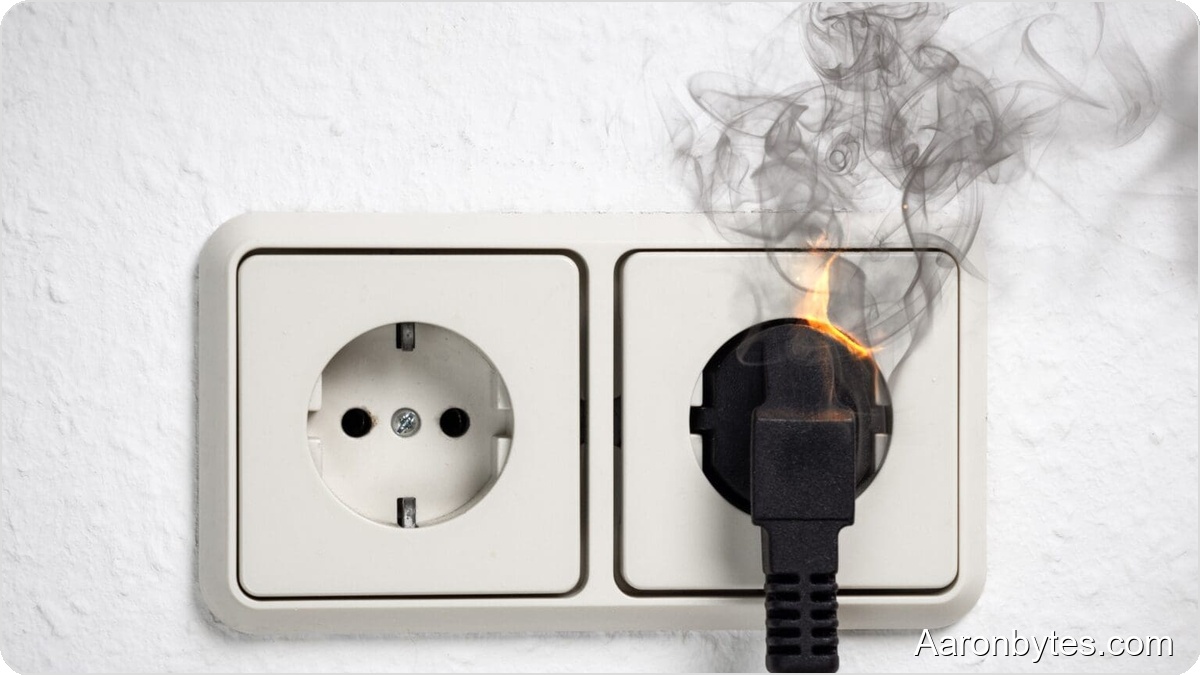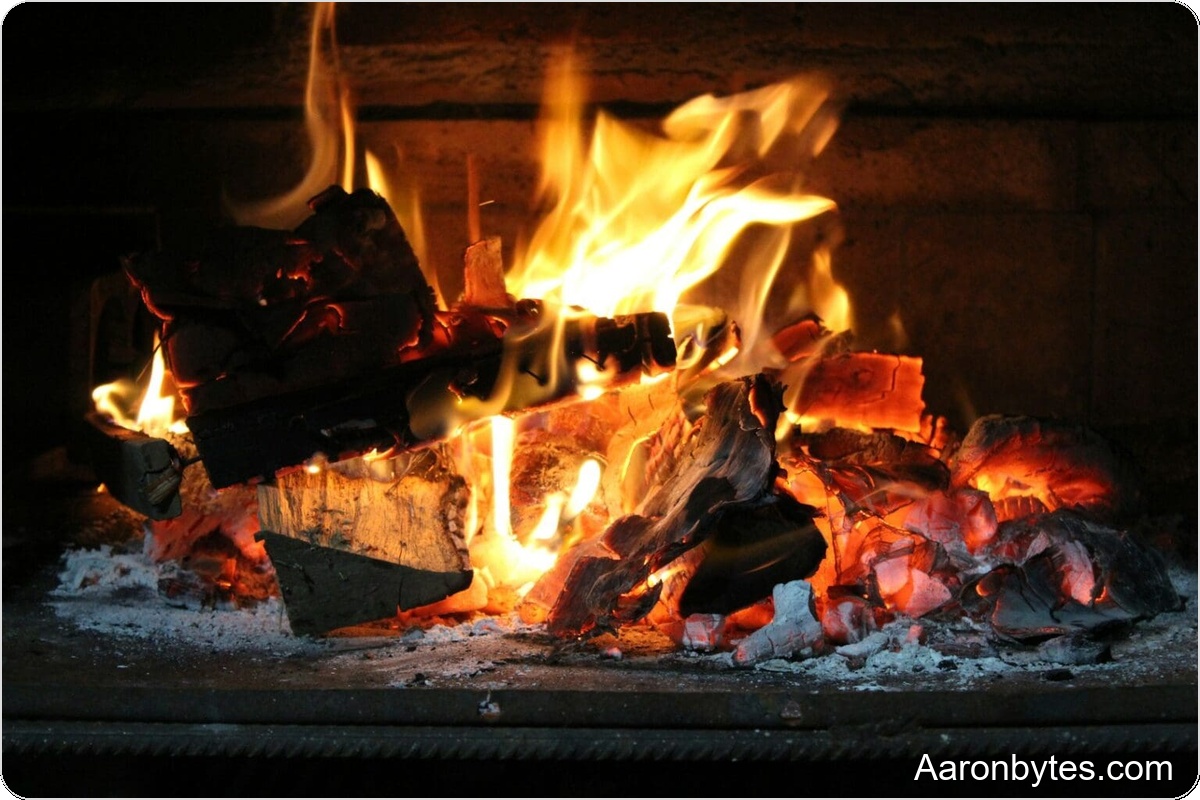
Fire helped humans thrive, and for millennia it has been our primary way to heat and cook. That longevity disguises important downsides: a constant need for fuel and the problem of managing the waste that burning creates.
Wood stoves, fireplaces, ranges, and grills remain common in homes. Their obvious safety risk is fire, but an often-overlooked danger is the toxic smoke produced during combustion.
Not everything belongs in an indoor fire
One advantage of wood stoves is that they are in effect multi-fuel heating systems. They burn natural firewood, compressed wood products like briquettes, coal, paper, and cardboard.
In emergencies such as power outages or storms, householders may turn to unconventional materials. But not all fuels are equally safe for everyday indoor use, and not all firewood types are recommended.
Engineered wood products such as particleboard or plywood should never be burned indoors. They release chemicals that can be harmful when inhaled as smoke.
Indoor smoke exposure is a widespread health concern. A study by Global Action Plan in partnership with Hertfordshire Council for the U.K. estimates that burning natural wood and other solid fuels in homes causes about 2,500 deaths per year in the U.K., and contributes to 3,700 new cases of diabetes and 1,500 cases of asthma.
The mechanism is fine particulate pollution. Smoke releases PM2.5 particles, smaller than 2.5 micrometers, which penetrate deep into the lungs. These particles damage the respiratory and cardiovascular systems and raise the risk of heart and lung disease.
Plastic burning is a larger, long-term poison
A new study in Nature titled Prevalence of plastic waste as a household fuel in low-income communities of the Global South documents how millions of households sometimes burn plastic as a cheap fuel for cooking and heating.
The composition of burned plastic varies, but most household plastics contain chemicals that, when burned, form dioxins and furans—persistent organic pollutants that do not break down easily.
These pollutants linger in the air, settle with ash, mix into soil, and eventually contaminate local food chains. Over time they increase risks for hormonal disruption, reproductive issues, autoimmune diseases, allergies, and other health problems.
Occasional, limited burning of plastic in a stove is unlikely to cause acute harm, because cumulative dose determines impact. The real danger arises when plastic is used regularly because it is cheap or free, particularly in low-income households—the exact populations the Nature study highlights.
Gas stoves carry risks too
You might assume gas is cleaner than burning wood or plastic, but gas cooking has its own indoor air problem.
A study published in PNAS Nexus on December 2, 2025 found that typical butane, natural gas, and propane stoves emit nitrogen dioxide (NO2) at indoor concentrations that can harm lungs, the heart, and child development.
Stanford Earth system scientist Rob Jackson, lead author of the study and holder of the Michelle and Kevin Douglas Chair at the Doerr School of Sustainability, said: “We know outdoor air pollution harms health, but we assume indoor air is safe. Our research showed that if you use a gas stove, you often inhale as much NO2 indoors as from all outdoor sources combined.”
In short, cooking on a gas stove can sometimes expose you to indoor pollution levels similar to those experienced near heavy outdoor traffic or widespread urban heating emissions.
The study notes that switching a gas stove to an electric model lowers personal NO2 exposure by more than 25% on average, and up to 50% in homes where cooking is frequent. That matters because NO2 is an irritating and toxic gas for the respiratory system.
Practical steps to reduce indoor exposure
If you have a gas stove, ventilation is essential. Use kitchen vents and range hoods to exchange indoor air, or open a window while cooking.
Range hoods and exhaust fans should be turned on before you begin cooking and kept running through the cooking period to move pollutants outside.
Safer and more sustainable choices
Electric stoves and cooktops have grown popular as safer, more sustainable alternatives. They remove the indoor emissions problem and can be powered by renewable energy such as solar or wind, reducing carbon footprints. Induction cooktops are even more energy efficient because they heat pots directly via electromagnetic fields.
For home heating, biofuels such as wood pellets offer a greener option. Pellets are made from wood waste and are considered renewable; they typically emit fewer particulate pollutants than burning traditional logs. Still, sourcing pellets from sustainable supplies is crucial to maximize environmental benefits.
Choosing heating and cooking systems requires balancing efficiency, cost, environmental impact, and health. Moving toward cleaner, renewable technologies helps protect both householders and the broader environment.