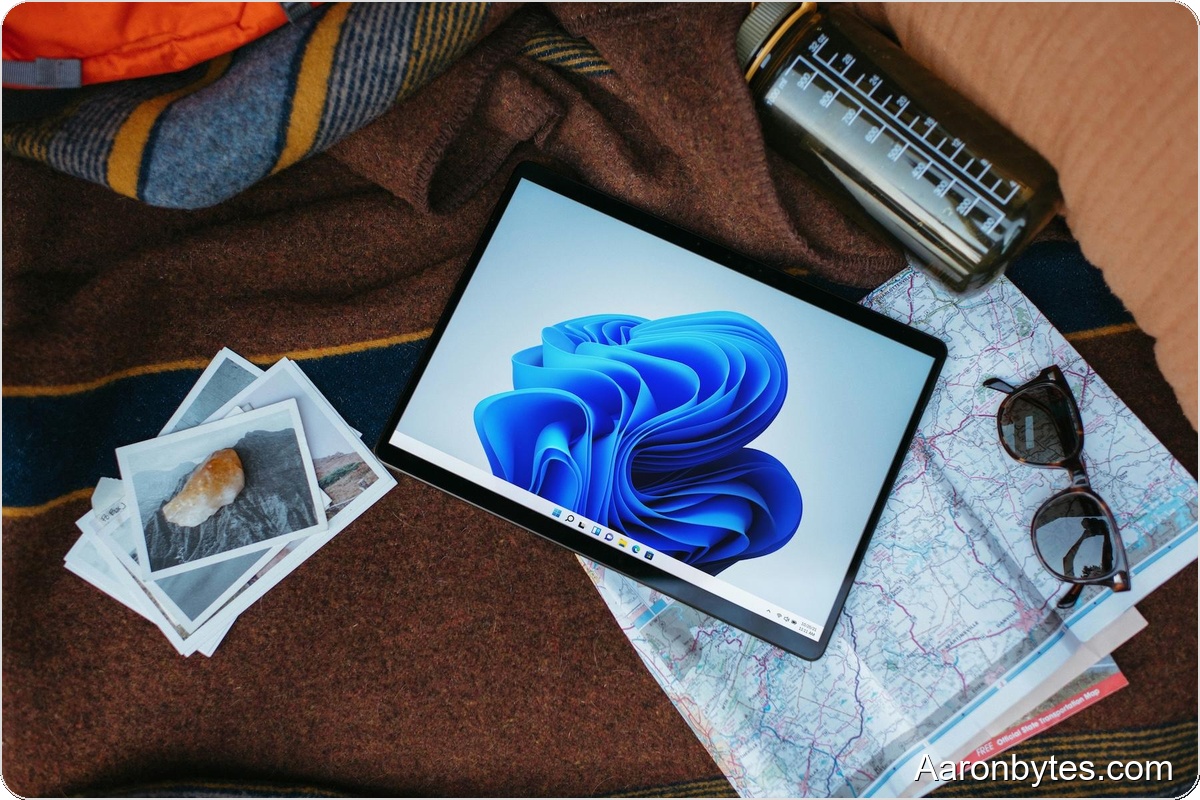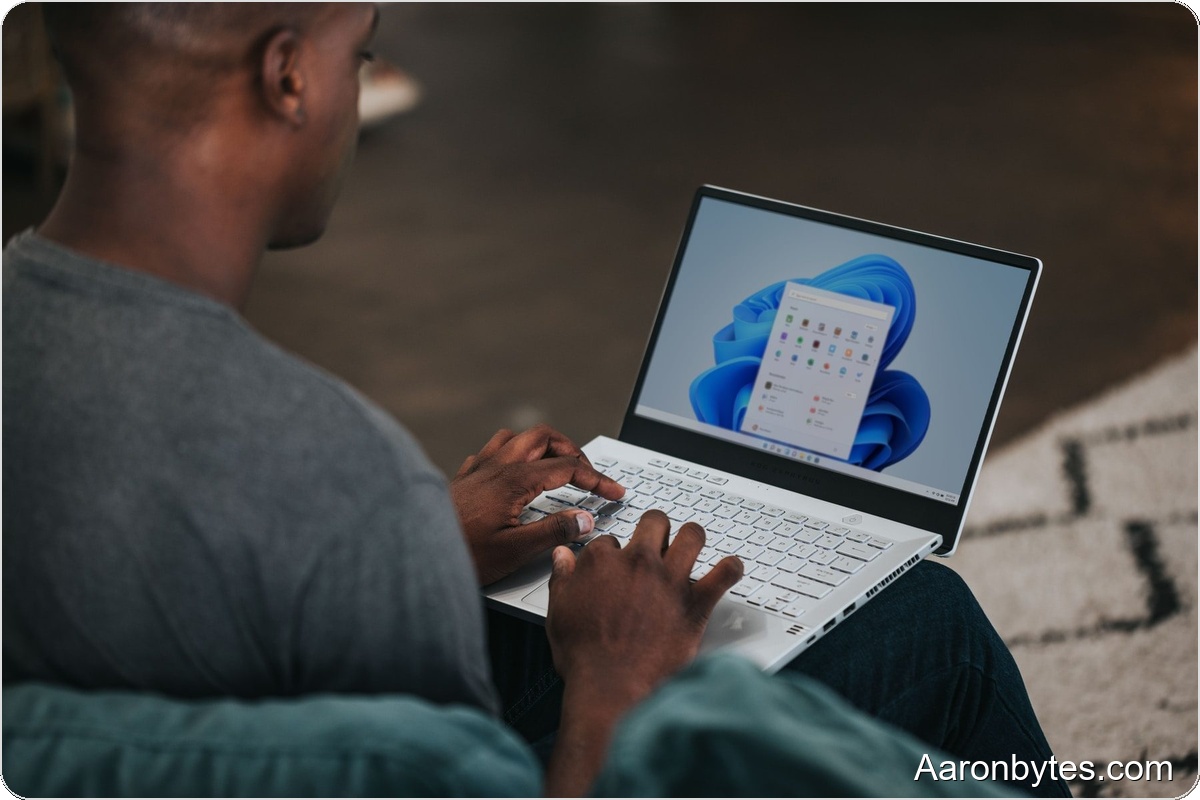
Windows 11 turns five this year. Early versions drew mixed reactions thanks to several controversial changes, but the current release is mature, stable, and broadly usable. Still, some features from previous Windows releases were better—most notably the taskbar.
Arguably the most contentious change in Windows 11 was the taskbar.
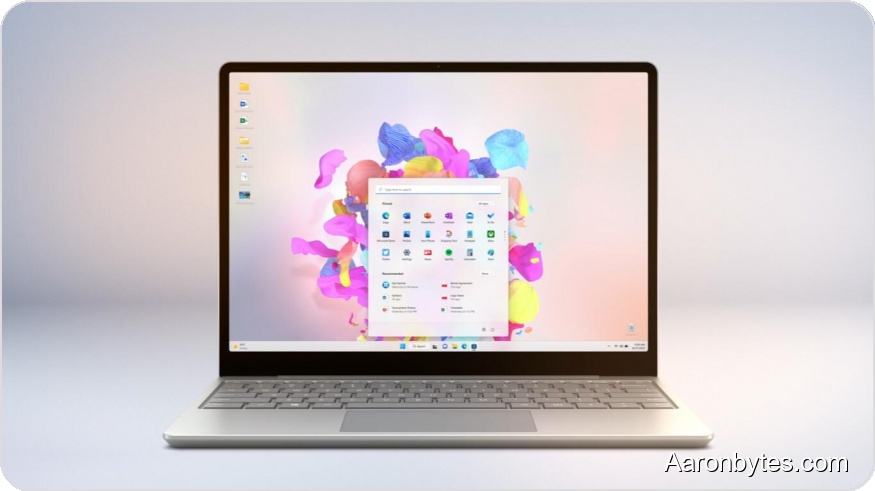
Over time Microsoft restored several missing features, including drag-and-drop to apps through the taskbar, ungrouped icons, text labels, and quick access to Task Manager from the context menu. One feature users ask for more than any other remains absent: the ability to move the taskbar to any edge of the screen.
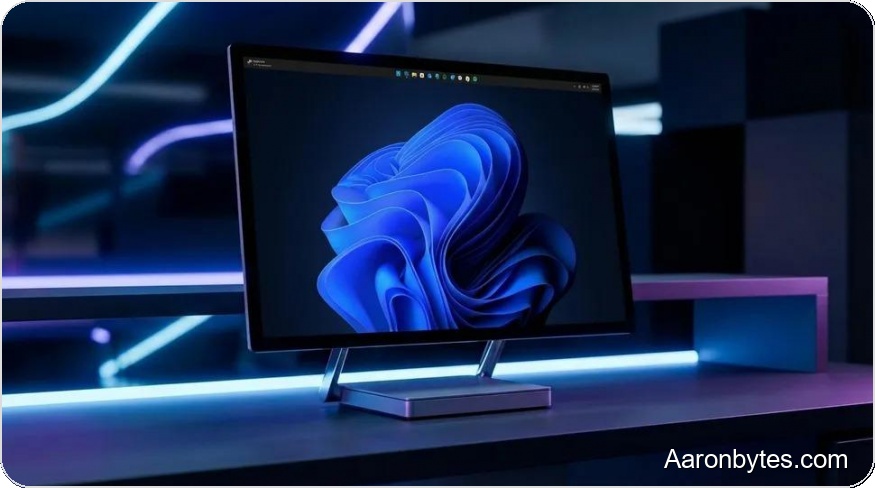
From Windows 95 through Windows 10 you could place the taskbar on any side of the display. In Windows 11 it is locked to the bottom. Users have spent the last five years asking Microsoft to bring that flexibility back, but the company had not treated it as a priority—until now.
Microsoft recently said it will downshift the marketing push around AI features this year and focus more on the things Windows users are demanding. One of those requests reportedly is restoring the option to move the taskbar to any side of the screen.
Windows Central reports Microsoft is actively working to make the taskbar behave predictably in all orientations, ensuring icons and menus operate correctly when the bar is moved. The engineering work will take time, but the change is reportedly a high priority. If development stays on schedule, the capability could appear sometime this summer.