
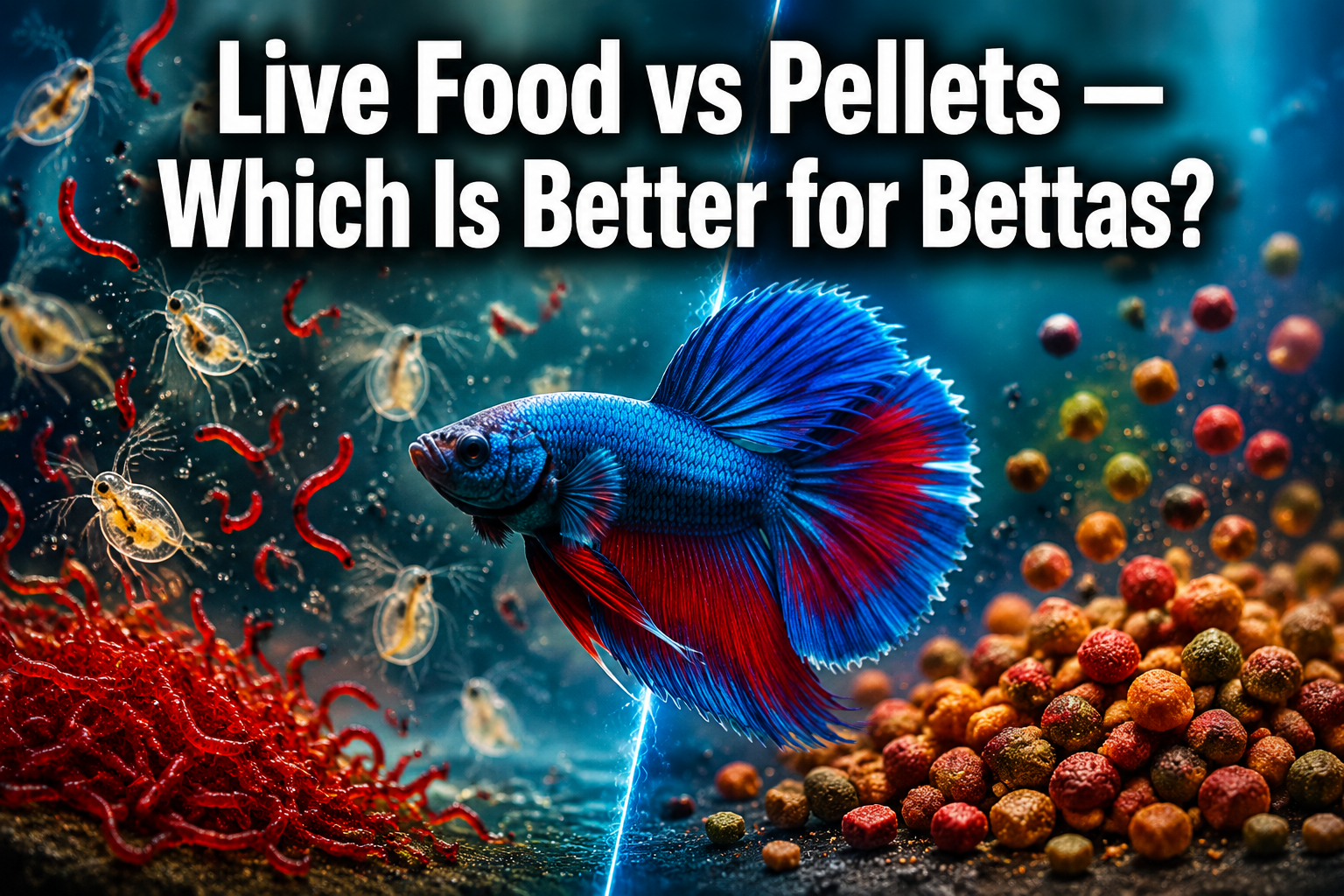
Pellets are better for most betta owners because they provide complete nutrition, stay fresh longer, and cost less over time. Live food offers superior nutrition and stimulation but requires more effort, storage space, and carries disease risks. The best approach combines high-quality pellets as the daily staple with occasional live food treats.
What Are the Main Differences Between Live Food vs Pellets for Bettas?
Live food contains higher protein levels and encourages natural hunting behaviors, while pellets offer consistent nutrition and convenience. The choice impacts your betta’s health, your budget, and your daily care routine.
Nutritional Content:
- Live bloodworms contain 55-60% protein vs 35-45% in quality pellets.
- Live food provides natural enzymes that aid digestion.
- Pellets include added vitamins and minerals often missing in live food.
- Moisture content differs dramatically (live food 80-90% vs pellets 8-12%).
Behavioral Impact:
- Live food triggers hunting instincts and provides mental stimulation.
- Moving prey encourages natural feeding behaviors.
- Pellets require less energy to catch, potentially leading to boredom.
- Live food can reduce aggression in some bettas through natural activity.
Storage and Preparation:
- Pellets store at room temperature for 12-18 months.
- Live food needs refrigeration and lasts 3-7 days maximum.
- Live cultures require daily maintenance and space.
- Pellets need no preparation beyond measuring portions.
Choose live food if you have time for daily preparation, want maximum nutrition, and can manage storage requirements. Choose pellets if you prioritize convenience, consistent feeding schedules, or travel frequently.
How Much Does Live Food vs Pellets Cost for Betta Care?
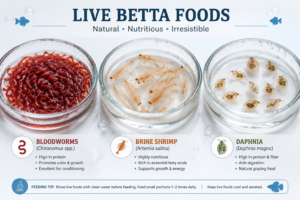
Pellets cost significantly less over time, typically $10-15 for 3-4 months of feeding compared to $20-40 monthly for regular live food purchases. The price difference becomes substantial for long-term betta care.
Initial Setup Costs:
- Quality pellets: $8-15 for a 1-2 oz container.
- Live food starter cultures: $25-50 for equipment and initial stock.
- Frozen live food: $3-8 per package (lasts 1-2 weeks).
- Fresh live food: $2-5 per portion at pet stores.
Monthly Feeding Expenses:
- Pellet-only diet: $3-5 per month.
- Live food only: $25-40 per month.
- Combination approach: $8-15 per month.
- Culture maintenance: $5-10 monthly for supplies.
Hidden Costs to Consider:
- Live food spoilage and waste (20-30% typical loss).
- Equipment for culturing (heaters, containers, starter food).
- Time investment for culture maintenance (30-45 minutes weekly).
- Potential veterinary costs from live food-related illnesses.
Money-saving tip: Start cultures of daphnia or brine shrimp to reduce ongoing live food costs by 60-80% after the initial setup period.
Which Provides Better Nutrition: Live Food vs Pellets?
High-quality live food provides superior protein content and bioavailability, but premium pellets offer more complete overall nutrition with added vitamins and minerals. The “better” choice depends on your betta’s specific needs and life stage.
Protein Quality Comparison:
- Live bloodworms: 55-62% protein with complete amino acid profiles.
- Live brine shrimp: 50-60% protein, excellent for breeding bettas.
- Premium pellets: 35-45% protein with synthetic amino acid supplements.
- Live daphnia: 45-50% protein plus natural fiber for digestion.
Vitamin and Mineral Content:
- Pellets include added vitamins A, C, E, and B-complex.
- Live food provides natural enzymes but a limited vitamin variety.
- Pellets contain stabilized minerals (calcium, phosphorus, and iron).
- Live food mineral content varies based on culture conditions.
Digestibility Factors:
- Live food enzymes aid natural digestion processes.
- Pellets may cause bloating in sensitive bettas.
- Live food moisture content matches the natural betta diet.
- Quality pellets include probiotics for gut health.
Life Stage Considerations:
- Fry and juveniles: Live food supports faster growth rates.
- Adult bettas: High-quality pellets meet all nutritional needs.
- Breeding females: Live food provides extra protein for egg production.
- Senior bettas: Softer live food may be easier to digest.
Choose live food for maximum protein absorption and natural feeding. Choose pellets for balanced nutrition with essential vitamins and consistent quality control.
What Are the Health Risks of Live Food vs Pellets?
Live food carries higher disease risks, including parasites and bacterial infections, while pellets pose minimal health threats when stored properly. Understanding these risks helps you make informed feeding decisions.
Live Food Health Concerns:
- Parasite transmission (internal worms, external parasites).
- Bacterial infections from contaminated cultures.
- Nutritional imbalances from single-food diets.
- Potential toxin accumulation from poor culture conditions.
Pellet-Related Issues:
- Digestive blockage from overfeeding or low-quality ingredients.
- Nutritional deficiencies from expired or poorly stored pellets.
- Artificial preservative sensitivity in some bettas.
- Bloating from rapid pellet expansion in the stomach.
Risk Reduction Strategies:
- For live food: Source from reputable suppliers, quarantine new cultures, and maintain proper culture conditions.
- For pellets: Choose high-quality brands, store in cool, dry places, and check expiration dates.
- General: Vary the diet between both food types, monitor the betta’s behavior and appearance.
Warning signs to watch for:
- Lethargy or loss of appetite (potential parasite infection).
- White stringy feces (digestive issues).
- Bloated appearance (overfeeding or blockage).
- Unusual swimming patterns (illness or discomfort).
Emergency response: Stop feeding immediately if symptoms appear and consult an aquatic veterinarian within 24-48 hours for persistent issues.
How Do You Store and Prepare Live Food vs Pellets?
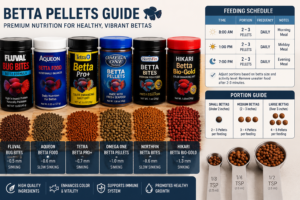
Pellets require simple dry storage in sealed containers, while live food needs refrigeration, careful handling, and often daily maintenance for cultures. Proper storage directly impacts food quality and your betta’s health.
Pellet Storage Best Practices:
- Store in the original container or an airtight glass jar.
- Keep in a cool, dry location away from direct sunlight.
- Use within 12-18 months of opening.
- Avoid humid areas like above aquariums.
- Check for mold, unusual odors, or color changes before feeding.
Live Food Storage Methods:
- Refrigerated: 35-40°F in original packaging, use within 3-7 days.
- Cultured: Maintain at 68-75°F with daily feeding and water changes.
- Frozen: Store at 0°F, thaw portions as needed (never refreeze).
- Freeze-dried: Similar to pellets, but rehydrate before feeding.
Daily Preparation Steps:
- Pellets: Measure 2-3 pellets per feeding, no prep needed.
- Live food: Rinse briefly, remove dead specimens, and portion appropriately.
- Frozen live food: Thaw in aquarium water for 5-10 minutes.
- Cultured food: Harvest with a fine net, rinse before feeding.
Culture Maintenance Schedule:
- Daily: Check water quality, remove dead organisms.
- Weekly: Partial water changes, add culture food.
- Monthly: Complete culture refresh if needed.
Time investment: Pellets require 30 seconds per feeding, while live food preparation takes 5-15 minutes daily, including culture maintenance.
Can You Combine Live Food vs Pellets in a Betta Diet?
Yes, combining both creates the ideal betta diet by providing pellet convenience and consistency with live food nutrition and enrichment. Most aquarists find this approach offers the best balance of benefits while minimizing individual drawbacks.
Recommended Feeding Schedule:
- Monday, Wednesday, Friday: High-quality pellets (2-3 pellets, twice daily).
- Tuesday, Thursday: Live or frozen food (bloodworms, brine shrimp).
- Saturday: Variety day (daphnia, mosquito larvae, or different pellet brand).
- Sunday: Fasting day (aids digestion and prevents overfeeding).
Portion Control Guidelines:
- Total daily food should equal the size of a betta’s eye.
- Live food portions: 3-5 bloodworms or 8-10 brine shrimp per feeding.
- Pellet portions: 2-3 high-quality pellets per feeding.
- Adjust based on betta size, age, and activity level.
Transition Strategy for New Bettas:
- Week 1-2: Pellets only to establish routine.
- Week 3-4: Introduce one live food feeding weekly.
- Week 5+: Gradually increase to 2-3 live food sessions weekly.
Benefits of Combination Feeding:
- Nutritional variety prevents deficiencies.
- Behavioral enrichment from hunting live prey.
- Backup food source if one type becomes unavailable.
- Cost balance between premium nutrition and budget management.
Common mistake: Overfeeding when switching between food types. Maintain consistent total portions regardless of food type to prevent obesity and swim bladder issues.
Final Thoughts
The live food vs pellets debate doesn’t require choosing sides. High-quality pellets should form the foundation of your betta’s diet, providing consistent nutrition, convenience, and cost-effectiveness for daily feeding. Live food serves best as an enrichment supplement 2-3 times weekly to satisfy natural hunting instincts and provide premium protein.
Start with a reputable pellet brand containing whole fish as the primary ingredient, then gradually introduce live or frozen foods once your betta establishes healthy eating patterns. This combination approach gives you the reliability of pellets with the nutritional and behavioral benefits of live food.
Choose a high-quality pellet for daily feeding, source safe live food from reputable suppliers, and establish a consistent feeding schedule that includes both food types. Monitor your betta’s response and adjust portions based on their individual needs and activity level.
FAQ
How often should I feed my betta live food vs pellets?
Feed 2-3 times daily regardless of food type. Use pellets for 4-5 days weekly and live food for 2-3 days, with one fasting day for optimal health.
Can baby bettas eat the same pellets as adults?
No, fry need smaller food like baby brine shrimp or crushed pellets. Switch to adult pellets around 8-10 weeks when they reach 1 inch in length.
Do frozen bloodworms count as live food?
Frozen bloodworms provide similar nutrition to live, but without the behavioral benefits of hunting and moving prey. They’re safer than live but less stimulating than fresh.
How long can pellets sit in water before removing them?
Remove uneaten pellets after 5-10 minutes to prevent water quality issues. Pellets expand in water and can cause bloating if eaten later.
What’s the best live food for breeding bettas?
Live or frozen bloodworms and brine shrimp provide the high protein needed for breeding conditions. Feed daily during the conditioning period.
Can I culture my own live food at home?
Yes, daphnia, brine shrimp, and microworms are easy to culture at home. Initial setup costs $25-50 but saves money long-term.
Why won’t my betta eat pellets?
Try soaking pellets to soften them, switching brands, or mixing with a small amount of live food to encourage interest. Some bettas prefer smaller pellet sizes.
Are expensive pellets worth the cost?
A: High-quality pellets with whole fish as the first ingredient provide better nutrition and less waste than cheap alternatives, making them cost-effective despite higher upfront prices.
How do I know if live food made my betta sick?
A: Watch for lethargy, loss of appetite, white stringy feces, or unusual swimming. Stop live food immediately and consult an aquatic vet if symptoms persist beyond 24 hours.
Can I feed my betta only live food?
Not recommended long-term. Live food alone often lacks essential vitamins and minerals that pellets provide. Use live food as part of a varied diet.
What happens if I accidentally overfeed live food?
Remove excess immediately to prevent water pollution. Fast your betta for 24 hours, then resume normal portions. Overfeeding live food can cause more severe bloating than pellets.
Do bettas prefer live food or pellets?
A: Most bettas show more excitement for live food due to natural hunting instincts, but well-trained bettas readily accept high-quality pellets as their primary food source.
