
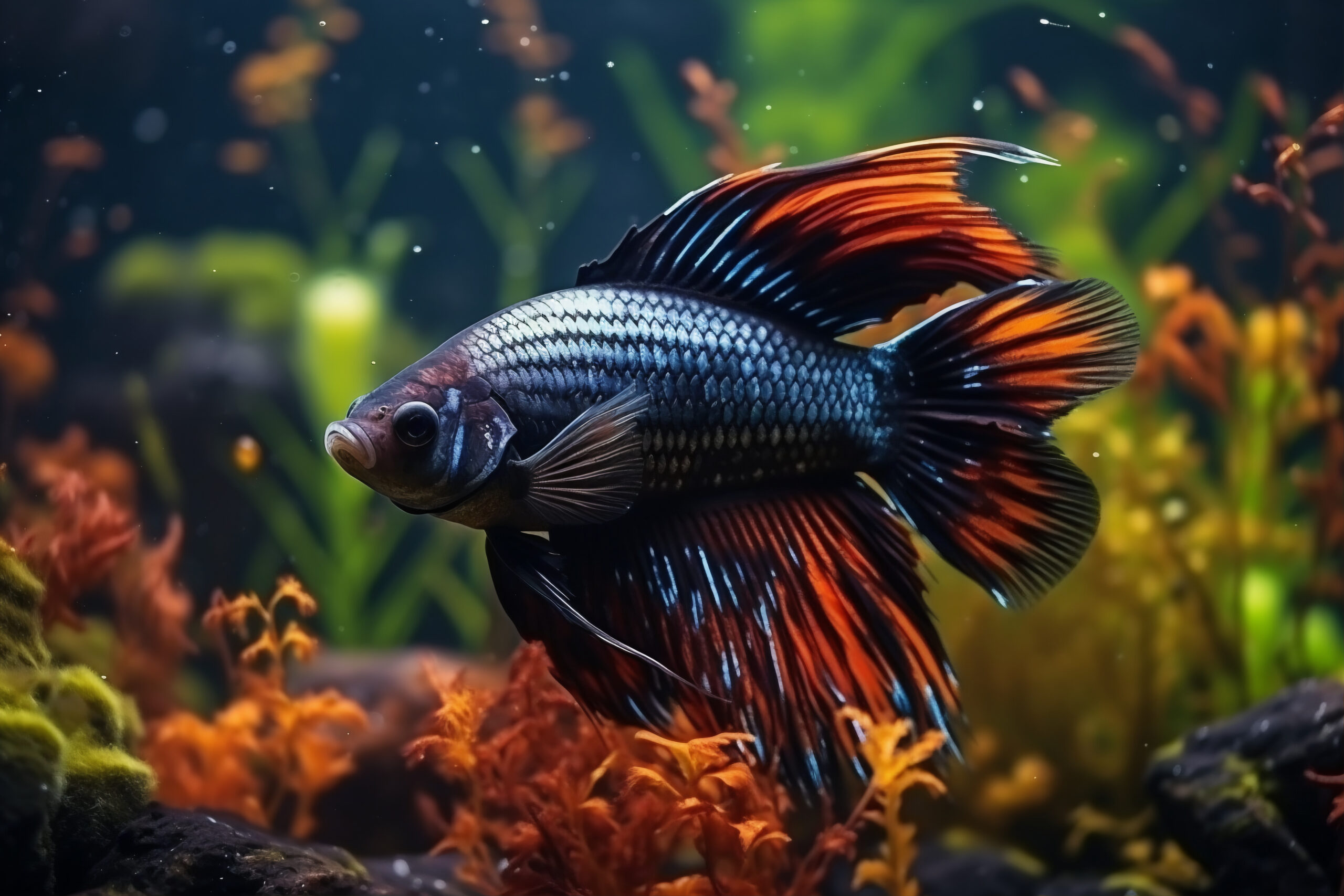
Retailers often wonder why their premium aquatic stock fails to command top prices on the shop floor. The answer usually lies in presentation, daily care, and merchandising tactics. If you are committing sales mistakes that make Bettas look less valuable, buyers will pass them over for cheaper options.
Customers evaluate a Siamese fighting fish based on its immediate visual impact and environment.
Poor water conditions, cramped displays, and lethargic behavior instantly destroy a buyer’s desire. This guide outlines the exact merchandising and care errors draining your aquatic department’s profits. Correcting these specific retail habits will transform your livestock into highly sought-after display pieces.
What Are the Sales Mistakes That Make Bettas Look Less Valuable?
To maximize retail returns and consumer interest, avoid these common store errors:
- Using tiny, unfiltered cups that rapidly trap waste and ammonia.
- Failing to heat the display water causes extreme sluggishness.
- Placing containers in dark or poorly lit shelf corners.
- Ignoring early signs of fin damage, clamping, or disease.
- Pricing rare color morphs identically to common varieties.
- Offering zero educational material on proper husbandry.
- Stacking containers too close together without visual barriers.
The Impact of Poor Display Environments
Presentation dictates the perceived worth of the animal inside the enclosure. Buyers naturally associate dirty habitats with sick, low-quality animals. Your shelving strategy is the first thing a hobbyist notices.
Cloudy Water Deteriorates Trust
Ammonia buildup happens rapidly in small volumes of display water. This leads to cloudy, yellowish enclosures that repel shoppers immediately. Customers assume a fish in soiled water is a liability, not a pet.
According to guidelines from the American Veterinary Medical Association, proper aquatic sanitation is vital for disease prevention and animal welfare. Regular water changes are a non-negotiable retail task for store staff. Crystal clear water implies rigorous care and a healthy specimen.
Flimsy Plastic Containers Reduce Appeal
Many stores keep their stock in the thin plastic shipping cups they arrived in. These ribbed deli cups distort the view of the animal inside. Shoppers cannot see the intricate details of the scales through cheap plastic.
Upgrading to flat-sided acrylic or glass cubes changes the entire aesthetic. Flat sides remove optical distortion, allowing the buyer to see the true beauty of the animal. A premium container suggests a premium product inside.
Improper Lighting Mutes Natural Colors
Iridescence is a major selling point for these specific animals. Dim store aisles mute the vibrant reds, blues, and coppers of the scales. Proper overhead illumination highlights the unique color shifts that justify premium pricing.
Install dedicated LED strip lighting directly above your display racks. Choose a color temperature around 6500K to mimic natural daylight. Bright, clean lighting makes the colors pop and draws foot traffic.
The Danger of Extreme Temperatures
Tropical species require warm environments to thrive and remain active. The room temperature in a commercial retail building is almost always too cold. Chilled water slows their metabolism, leaving them resting on the bottom of the cup.
Motionless animals do not attract buyers. Utilizing heated display systems ensures they remain energetic and visually appealing. A heated drip system or a temperature-controlled display room solves this issue entirely.
Neglecting Animal Health and Vigor
Health is directly tied to financial worth in the pet trade. Buyers seek active, aggressive aquatic life that flares and explores its environment. A sickly specimen drags down the reputation of your entire fish department.
Displaying Clamped or Lethargic Fish
Clamped fins occur when a fish holds its fins tightly against its body due to stress. This makes even the most spectacular Halfmoon look like a basic, uninteresting variant. Shoppers will not pay top dollar for an animal that looks miserable.
Staff must identify stressed individuals and remove them from the main retail floor. Providing a dark, quiet quarantine space helps them recover. Only display specimens that are actively swimming and alert.
Ignoring Early Signs of Fin Rot
Frayed, black, or melting fin edges are immediate red flags for knowledgeable hobbyists. This condition often stems from poor water quality and bacterial infections. Displaying an animal with active fin rot tells the customer your store lacks basic hygiene.
Employees must inspect the stock daily for signs of tissue degradation. Treat affected animals in a back room away from public view. Selling a sick animal guarantees a return and a negative store review.
Failing to Use Flaring Exercises
These animals are famous for their dramatic, flared displays when defending territory. A flared fish looks twice its normal size and shows off its full finnage. Buyers are highly motivated by this aggressive, beautiful posture.
Keep a small mirror near the display rack for staff to use during demonstrations. Showing a customer the fish’s full potential often secures the sale. Do not leave mirrors permanently installed, as constant flaring causes dangerous exhaustion.
Poor Diet Equals Dull Colors
Feeding cheap, filler-heavy flakes results in faded coloration and poor health. Premium genetics require premium nutrition to display their maximum potential. Dull colors directly translate to lower perceived value.
Feed your stock high-protein pellets or frozen bloodworms while they are on display. A robust diet enhances red and blue pigments significantly within just a few days. Healthy, well-fed stock always commands a higher retail price.
Merchandising and Retail Floor Errors
Placing products on a shelf is not the same as merchandising. You must create a visual hierarchy that draws the shopper’s eye. Cluttered arrangements diminish the uniqueness of individual animals.
Overcrowding the Shelves
Stacking cups tightly together creates visual chaos on the aisle. It prevents buyers from isolating a single, beautiful specimen to admire. Clutter makes the animals look like cheap commodities rather than prized pets.
Give each display container ample breathing room on the shelf. Negative space around the enclosure focuses the customer’s attention entirely on the animal. A minimalist display approach signals luxury and high value.
Lack of Clear Visual Dividers
Constant visual contact with rival males causes chronic stress. If cups are placed next to each other, the animals will flare until they are exhausted. Exhausted fish lose their color, drop to the bottom, and refuse to engage with shoppers.
Introduce opaque dividers between each container. You can use simple pieces of black cardstock or specialized acrylic inserts. Remove the divider only when a customer wants to see the animal’s flaring response.
Missing Pedigree and Variant Labels
A knowledgeable buyer looks for specific traits like Dragon Scale, Koi, or Plakat. Leaving containers unlabeled forces the buyer to guess what they are looking at. Unlabeled stock feels generic and untrustworthy.
Print clean, professional labels detailing the tail type and color morph. Clearly stating “Galaxy Koi Plakat” justifies a higher price tag than a blank cup. Accurate labeling shows the retailer understands and respects the hobby.
Placing Displays in High-Traffic Stress Zones
Loud noises, tapping on glass, and constant movement terrify small aquatic animals. Placing your display rack next to the main entrance or dog food aisle is a mistake. Chronic fear leads to pale colors and hiding behaviors.
Locate your display in a quieter, dedicated aquatics section. A calm environment encourages the fish to swim openly and exhibit natural behaviors. Relaxed animals look infinitely better to prospective buyers.
Staff Knowledge Deficiencies
Your employees are the final bridge between the animal and the buyer. Ignorant staff members frustrate experienced hobbyists and mislead newcomers. Comprehensive training translates directly into higher revenue and fewer returns.
Misunderstanding Tail Types and Genetics
A Halfmoon Plakat is vastly different from a standard Veiltail in both genetics and price. Staff must know how to identify and explain these anatomical differences confidently. Educating the consumer on why a specific tail type is rare justifies the cost.
If your team cannot explain the pedigree, the buyer will not pay a premium for it. Hold weekly training sessions to ensure everyone recognizes different morphological traits. Knowledgeable staff builds tremendous trust with high-spending collectors.
Providing Outdated Care Advice
Telling a customer these animals can live in a tiny vase is outdated and harmful. Beginners often hesitate to buy if they receive conflicting or poor information. Providing clear, accurate care sheets builds trust and buyer confidence.
Displaying accurate information about proper tank size, heaters, and filtration positions your store as an authority. Shoppers are willing to spend more when guided by knowledgeable merchants. Mandate that staff recommend a minimum five-gallon setup.
Recommending Inappropriate Tank Mates
Misinformation leads to disastrous community tanks and angry customer returns. Recommending fin-nipping barbs to accompany a long-finned male shows complete amateurism. Associates must understand compatibility charts to ensure long-term success.
Teach staff to suggest peaceful bottom-dwellers like Corydoras or snails. Proper guidance prevents fatalities and secures repeat business for supplies. A successful first tank guarantees the customer will return for their next project.
Failing to Explain the Nitrogen Cycle
New aquarists frequently kill their first pet by putting them in uncycled tap water. Staff who fail to explain the aquarium cycle are guaranteeing a dead animal. This leads to refunds and terrible customer experiences.
Employees must explain water conditioners and beneficial bacteria during every sale. Bundling a bottle of starter bacteria with the animal protects your livestock investment. Education is the ultimate tool for preventing livestock loss.
Pricing Strategy Failures
Slapping a uniform barcode on every container is a massive retail oversight. It ignores the intricate breeding efforts behind designer varieties. Strategic pricing tiers are mandatory for maximizing revenue.
Using a Flat Pricing Strategy
Charging the same amount for a common blue Crowntail and a rare Copper Alien makes no sense. It devalues the premium genetics while overpricing the basic, entry-level stock. This strategy alienates both budget shoppers and high-end collectors.
Implement a tiered system based on color rarity, finnage, and age. Clear tier distinctions help collectors understand exactly what they are purchasing. A tiered approach naturally encourages customers to upsell themselves.
Ignoring Rare Color Morphs
Breeders spend years isolating specific colors like mustard gas or solid white. If retailers do not highlight these rarities, they leave money on the table. Dedicated signage should point out newly arrived, rare color variants.
Create an “Elite” or “Premium” shelf specifically for these high-grade specimens. Elevating them physically on the display rack signals their exclusivity. Collectors will actively seek out this designated premium section.
Failing to Bundle Premium Equipment
Selling the animal alone misses the largest profit margins available. The real money lies in the glass tanks, specialized heaters, and planted substrates. Staff should never hand over the fish without discussing the habitat.
Create pre-made starter kits that include a heater, filter, and proper food. Offering a slight discount on a bundle makes the higher total price easier to swallow. Bundling ensures the animal thrives while boosting your average ticket size.
Advanced Tactics to Increase Buyer Interest
Small physical adjustments to your retail space yield massive profit margins. Focus on aesthetic upgrades that frame the livestock beautifully.
Utilizing Black Backgrounds
Clear cups against a white wall wash out the colors of the fish. Adding a solid black background behind your display rack changes everything. Dark backgrounds absorb excess light and make iridescent scales pop dramatically.
Upgrading to Glass Display Cubes
Ditch the plastic cups entirely for custom glass displays. Glass does not scratch easily and remains crystal clear after hundreds of cleanings. It provides a flawless viewing angle that immediately signals high quality.
Maintaining Pristine Store Aesthetics
The area around your display matters just as much as the water inside the cups. Wipe up spilled water, organize the food shelves, and sweep the floor. A spotless aquatic department gives buyers confidence in your overall husbandry practices.
Summary
Maximizing your aquatic revenue requires strict attention to detail and daily maintenance. Ignoring water quality, lighting, and staff education will inevitably hurt your bottom line. By addressing the sales mistakes that make Bettas look less valuable, you elevate your entire store’s reputation.
Shoppers happily pay premium rates for healthy, vibrant, and well-presented animals. You must treat your premium livestock with the respect their genetics demand. Implement these strict retail standards today to see an immediate shift in consumer interest and profitability.
