
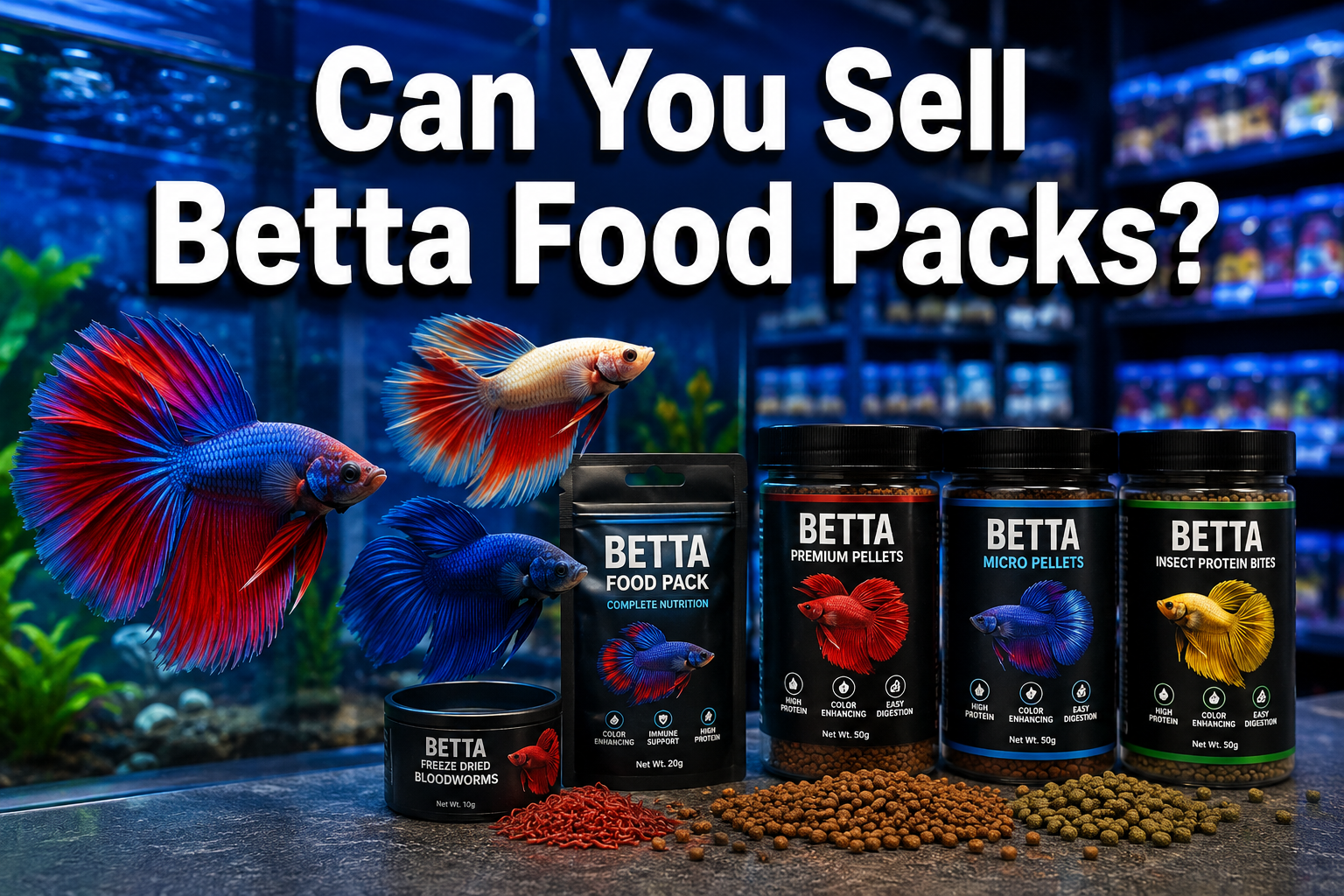
Yes, you can sell betta food packs, but success depends on proper licensing, supplier relationships, and understanding market regulations. Most profitable approaches include becoming an authorized retailer, buying wholesale from manufacturers, or reselling specialty premium brands with proper storage and handling protocols.
Key Takeaways
- Legal requirements vary by location – most areas require business licenses and may need pet food handling permits.
- Wholesale purchasing offers the best profit margins, typically 40-60% markup potential.
- Storage conditions matter – improper storage can lead to spoiled inventory and customer complaints.
- Premium brands like Hikari, New Life Spectrum, and Fluval Bug Bites offer better profit margins than generic foods.
- Online marketplaces provide the easiest entry point but have higher competition and fees.
- Expiration dates are critical – betta food typically lasts 2-3 years unopened, but loses nutritional value over time.
- The target audience includes betta enthusiasts, aquarium stores, and pet owners seeking quality nutrition options.
Is It Legal to Sell Betta Food Packs?
Selling betta food is legal in most jurisdictions, but requires proper business registration and may need additional permits depending on your location and sales volume. The pet food industry falls under agricultural and consumer protection regulations.
Basic legal requirements include:
- Business license or vendor permit from your local municipality.
- Sales tax registration if your state requires it.
- Reseller’s permit to purchase wholesale from distributors.
- Food handler’s license in some states (varies by jurisdiction).
Choose this path if you’re willing to handle paperwork and want legitimate business protection. Avoid selling without proper licensing, as penalties can include fines and forced business closure.
Common mistake: Assuming pet food sales don’t require any permits. Many sellers are surprised by local regulations that treat pet food similarly to human food products.
Where Can You Source Betta Food Packs for Resale?
The most profitable sourcing comes from authorized wholesale distributors who offer 40-60% margins on popular brands. Direct manufacturer relationships provide the best pricing but require higher minimum orders.
Top sourcing options:
- Wholesale pet supply distributors – Phillips Pet Food & Supplies, Central Garden & Pet.
- Manufacturer direct programs – Hikari, Tetra, API, New Life Spectrum dealer programs.
- Trade shows and exhibitions – SuperZoo, Global Pet Expo, for networking and bulk purchasing.
- Online wholesale platforms – Alibaba for private label options, but quality varies significantly.
Decision rule: Choose wholesale distributors if you’re starting small (under $5,000 initial investment). Go direct to manufacturers if you can commit to $10,000+ minimum orders and want maximum profit margins.
Edge case: Some premium brands like Northfin and Bug Bites have exclusive territory agreements, limiting where you can sell geographically.
What Are the Best Platforms to Sell Betta Food Packs?
Online marketplaces offer the fastest path to customers, while local pet stores provide higher margins but require more relationship building. Each platform has distinct advantages for different business models.
Platform comparison:
| Platform | Fees | Audience Size | Competition | Best For |
|---|---|---|---|---|
| Amazon | 15% + shipping | Massive | Very High | Volume sellers |
| eBay | 10-12% | Large | High | Rare/specialty foods |
| Facebook Marketplace | 5% | Local/Regional | Medium | Local customers |
| Pet stores (consignment) | 30-40% | Targeted | Low | Premium brands |
| Your own website | 3% payment processing | Small initially | Low | Brand building |
Choose Amazon if you have significant inventory and can compete on price. Pick local pet stores if you’re selling premium or specialty foods that benefit from in-person recommendations.
Common mistake: Starting with too many platforms simultaneously. Focus on mastering one channel before expanding to others.
How Much Profit Can You Make Selling Betta Food?
Typical profit margins range from 30-60%, depending on your sourcing method and sales channel. Premium specialty foods offer higher margins than mass-market brands.
Profit breakdown by approach:
- Wholesale to retail markup: 40-60% gross margin.
- Online marketplace sales: 20-35% after fees and shipping.
- Direct to consumer (own website): 50-70% gross margin.
- Consignment in pet stores: 15-25% after store commission.
Real-world example: A 1.58oz container of Hikari Bio-Gold costs $3.50 wholesale and sells for $8.99 retail, generating $5.49 gross profit (61% margin) before expenses.
Key factors affecting profitability:
- Storage costs and space requirements.
- Shipping expenses (fish food is relatively light but bulky).
- Inventory turnover rates (faster turnover = better cash flow).
- Customer acquisition costs.
Choose high-end specialty foods if your target customers prioritize quality over price. Stick with popular brands like Tetra and API if competing primarily on cost.
What Storage and Handling Requirements Apply?
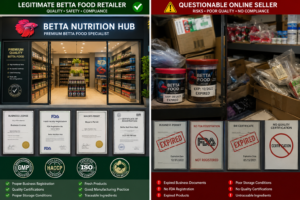
Proper storage is critical for maintaining product quality and avoiding customer complaints or returns. Betta food degrades quickly when exposed to moisture, heat, or light.
Essential storage requirements:
- Temperature control: Store below 75°F to prevent nutritional breakdown.
- Moisture protection: Use airtight containers or a climate-controlled space (humidity under 60%).
- Light protection: Keep away from direct sunlight and fluorescent lighting.
- First-in-first-out rotation: Older inventory should sell before newer stock.
- Pest control: Sealed storage prevents insects and rodents from contaminating products.
Shelf life considerations:
- Most betta foods last 24-36 months unopened.
- Nutritional value decreases significantly after expiration.
- Opened containers should be used within 6 months for optimal quality.
Decision rule: If you can’t maintain proper storage conditions, focus on fast-moving inventory with quick turnover rather than bulk purchasing.
Edge case: Freeze-dried and frozen foods require specialized storage equipment, but command premium prices from serious betta breeders.
Common Challenges When Selling Betta Food Packs
The biggest challenge is competing with established retailers who have better pricing and customer loyalty. Success requires finding your competitive advantage through specialization or superior service.
Top challenges and solutions:
- Price competition: Focus on premium or hard-to-find brands rather than competing on commodity products.
- Customer education: Many buyers don’t understand the quality differences between foods.
- Seasonal demand: Sales spike during the spring breeding season but slow in winter.
- Shipping costs: Fish food is light but bulky, making shipping expensive relative to product value.
- Return handling: Customers may return products claiming their fish won’t eat specific foods.
Avoid these mistakes:
- Buying expired or close-to-expiration inventory for “deals.”
- Mixing different food types in storage (cross-contamination).
- Overstocking slow-moving specialty items.
- Ignoring customer feedback about product quality issues.
Success strategy: Build relationships with local betta clubs and aquarium societies. These communities value quality products and provide word-of-mouth marketing.
Summary
Selling betta food packs can be a profitable venture with proper planning and execution. Success depends on understanding legal requirements, building reliable supplier relationships, and focusing on quality products that serve specific customer needs.
Start small with wholesale purchasing from established distributors, focus on one sales channel initially, and prioritize proper storage and customer service.
Research business licensing requirements in your area, contact 2-3 wholesale distributors for pricing information, and analyze your local competition to identify market opportunities. Consider starting with premium brands that offer better margins and less direct competition with major retailers.
FAQ
Can I sell homemade betta food?
No, selling homemade pet food requires FDA registration, nutritional analysis, and compliance with pet food regulations. Stick to reselling commercial products unless you’re prepared for significant regulatory requirements.
Do I need insurance to sell betta food?
Business liability insurance is recommended, especially if selling through your own website or at events. Product liability coverage protects against claims if pets become ill from food you sold.
What’s the minimum investment to start selling betta food?
You can start with $500-1000 for initial inventory from wholesale distributors. Larger investments ($5000+) allow for better pricing and product variety.
How do I handle expired inventory?
Most distributors accept returns of expired products for credit. Never sell expired pet food, as it can harm fish and damage your reputation permanently.
Can I sell betta food internationally?
International sales require understanding import/export regulations for pet food in destination countries. Start domestically and expand internationally once established.
What are the most profitable betta food brands?
Premium brands like Hikari, New Life Spectrum, and Omega One offer the best margins. Avoid competing on mass-market brands like Tetra unless you have significant volume advantages.
How do I price betta food competitively?
Research current market prices on Amazon, Chewy, and local pet stores. Price 5-10% below major retailers while maintaining healthy margins through better sourcing.
Do I need special permits for freeze-dried foods?
Freeze-dried and frozen foods may require additional food handling permits in some jurisdictions. Check with your local health department before stocking these products.
How long does Betta Food take to sell?
Popular brands typically turn over every 2-3 months. Specialty foods may take 6-12 months to sell, so order conservatively until you understand your market.
