
Betta fish are famous for their bright colors and flowing fins. Keeping them healthy requires a deep understanding of their water requirements.
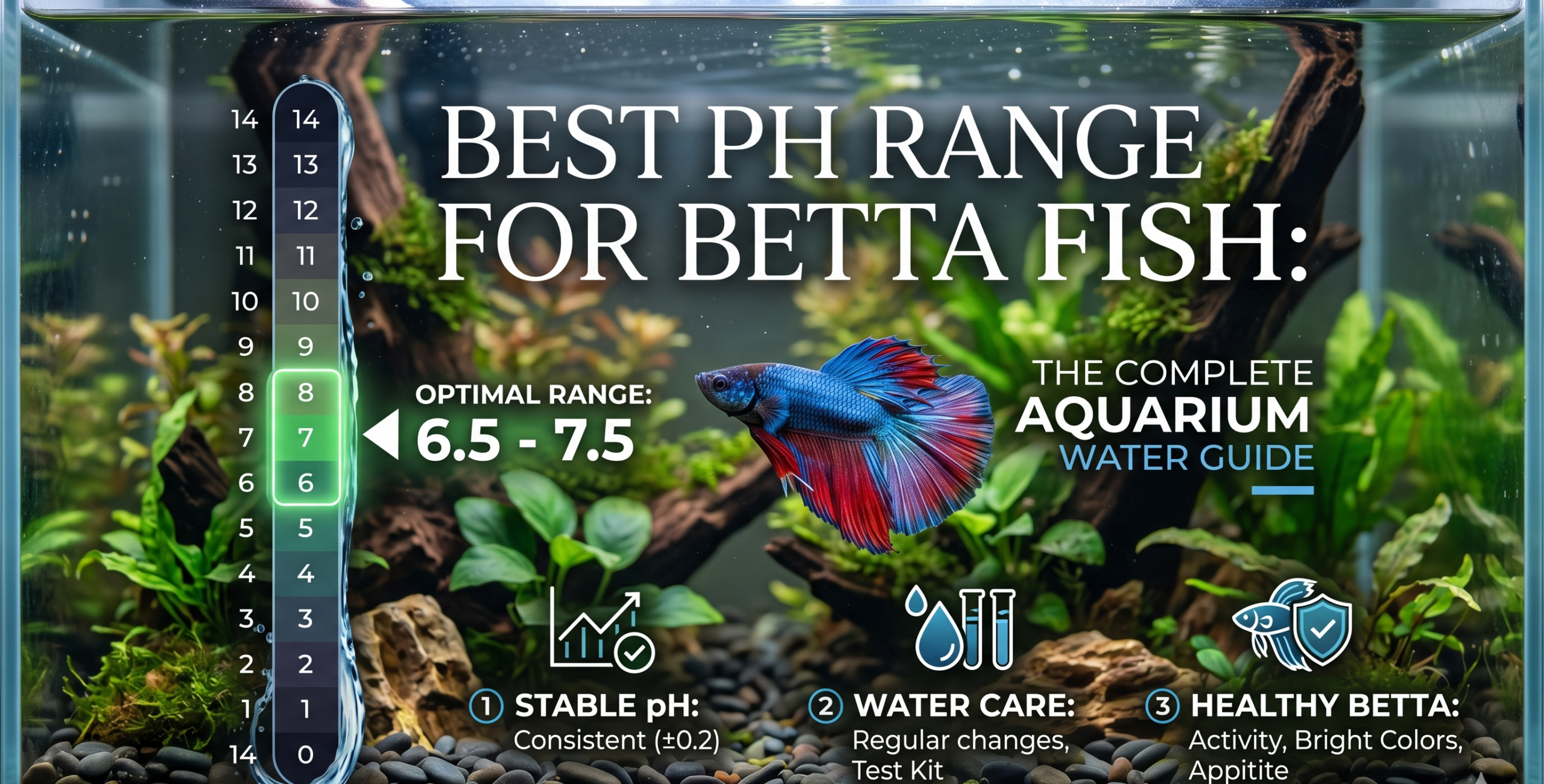
The best pH range for betta fish is 6.5 to 7.5, with a perfect target of 7.0 (neutral). While these fish can adapt to slightly wider parameters, keeping the water stable within this window prevents stress and long-term illness.
What is pH and Why Does It Matter for Bettas?
The term pH stands for “potential of hydrogen.” It measures how acidic or basic (alkaline) your aquarium water is on a scale from 0 to 14.
- A rating of 7.0 is neutral.
- Anything below 7.0 is acidic.
- Anything above 7.0 is alkaline.
Betta fish absorb water parameters directly through their skin and gills. When the water matches their evolutionary design, their internal systems function smoothly.
If the environment swings outside of the best pH range for betta fish, it compromises their protective slime coat. This leaves your fish open to bacterial infections, fin rot, and parasites.
What is the Best pH Range for Betta Fish?
In the wild, Siamese fighting fish live in the shallow rice paddies, marshes, and slow-moving streams of Southeast Asia. These natural habitats are filled with decaying leaves and vegetation, which naturally lowers the pH.
Water Classification pH Range Betta Suitability
Highly Acidic 5.0 – 6.0 Dangerous / Stressful
Ideal Range 6.5 – 7.5 Perfect for Health & Color
Highly Alkaline 8.0 – 9.0 Risk of Ammonia Toxicity
Captive-bred bettas are remarkably resilient. They can tolerate a range between 6.0 and 8.0, but the best pH range for betta fish remains tightly focused around a neutral 7.0.
Consistency is far more important than hitting a perfect 7.0 on the dot. A sudden shift in your water chemistry will shock your fish’s system much faster than living in a steady environment that is slightly too high or too low.
How Does pH Interact with Water Hardness?
You cannot talk about pH without mentioning General Hardness (GH) and Carbonate Hardness (KH). These parameters work together like a balancing scale.
- General Hardness (GH): Measures the concentration of calcium and magnesium ions. Bettas prefer soft to medium-hard water between 3 and 4 dGH (degrees of GH).
- Carbonate Hardness (KH): Measures the buffering capacity of your water. KH acts as a sponge that absorbs acids, preventing rapid drops in your pH level.
If your KH is too low (below 3 dKH), your aquarium is vulnerable to sudden pH crashes. A higher KH creates a stable baseline, ensuring the best pH range for betta fish stays locked in place.
Signs Your Betta is in the Wrong pH Environment
When aquarium water parameters go wrong, your fish will show clear behavioral and physical warnings. Watching for these signs helps you fix water issues before they become fatal.
Chronic Low pH Symptoms (Below 6.0)
Acidic water creates a burning sensation on a fish’s delicate skin. Look for these warning signs:
- Excessive mucus production gives the fish a milky appearance.
- Rapid breathing or gasping for air at the water surface.
- Lethargy, where the fish rests constantly on the substrate or decorations.
Chronic High pH Symptoms (Above 8.0)
Alkaline water alters how toxic compounds behave in your tank. High pH spikes make ammonia significantly more dangerous. Watch for:
- Frayed, blackening, or rapidly deteriorating fins.
- Clamped fins, where the fish holds its fins tight against its body.
- Darting around the tank erratically or rubbing against decorations.
How to Test Your Aquarium pH Accurately?
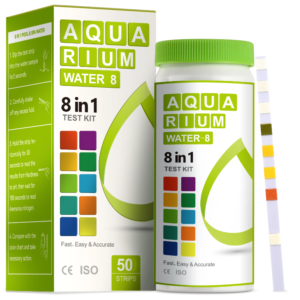
You cannot guess your water parameters by looking at the tank. Regular testing is the only way to verify that you are maintaining the best pH range for betta fish.
Liquid test kits are widely considered the most accurate option for home aquariums.
Follow these simple steps for precise results:
- Rinse the clean test vial with a small amount of tank water.
- Fill the vial precisely to the 5ml indicator line.
- Add the specified number of testing drops from your kit.
- Cap the vial and invert it gently to mix the solution.
- Hold the vial against the provided color chart under natural light to read your level.
Test your aquarium water at least once a week during your regular water changes to catch any underlying trends before they harm your fish.
Natural Ways to Lower Your Aquarium pH Safely
If your tap water is naturally alkaline, you should safely lower the pH to the best range for betta fish. Avoid harsh chemical drops, as they cause rapid, dangerous bounces. Instead, use these natural methods.
1. Indian Almond Leaves (Catappa Leaves)
These leaves are a staple in professional betta care. As they break down in the water, they release humic acids and tannins.
Tannins naturally soften the water and gently lower the pH. They also give the water a tea-colored tint that mimics the wild habitat of the betta, while providing natural antibacterial properties.
2. Natural Driftwood
Adding pieces of real Malaysian driftwood or Mopani wood to your aquascape serves two purposes. It looks beautiful, and it continuously releases small amounts of acid-lowering tannins into the water column.
3. Peat Moss
Placing aquarium-safe peat moss inside a mesh media bag and tucking it into your filter is an efficient way to drop your numbers. The water flowing through the moss softens gradually over several days.
Safe Ways to Raise Your Aquarium pH
If your water source is highly acidic, you will need to buffer it upward to reach the best pH range for betta fish. Slow adjustments are the key to keeping your pet safe.
1. Crushed Coral
Crushed coral is made of calcium carbonate. You can place a small bag of crushed coral inside your filter or mix it directly into your gravel substrate.
It dissolves slowly over time, raising both your KH and your overall pH. The great thing about crushed coral is that it stops dissolving once the water reaches a neutral level, creating a natural safety net.
2. Limestone and Seiryu Stones
Incorporating limestone or calcium-rich rocks into your aquarium hardens the water naturally. This is an excellent, hands-off method for aquariums that suffer from chronic low pH and low mineral content.
3. Small Baking Soda Dosages
In an emergency where your pH has crashed completely, a tiny amount of sodium bicarbonate (baking soda) can save your fish. Use no more than 1/4 teaspoon per 5 gallons of water. Dissolve it completely in a cup of water before adding it to the tank slowly.
The Danger of Chemical Adjusters and pH Swings
Many commercial pet stores sell bottles labeled “pH Up” or “pH Down.” While these chemical adjusters work instantly, they are highly discouraged by experienced aquarists.
Critical Warning: Fast chemical drops cause extreme stress. A rapid shift of just 0.5 points on the scale can shock a betta’s organs, often leading to death within 48 hours.
Natural methods change the water chemistry over days, allowing your betta’s body to adapt gradually. If you must use a chemical adjuster, dilute it heavily and apply it to your water change bucket, never directly into the display tank.
Perfect Water Parameters for a Betta Tank
While maintaining the best pH range for betta fish is crucial, pH does not exist in a vacuum. To keep your fish truly thriving, you must manage the entire water ecosystem.
- Temperature: 75°F to 80°F (24°C to 27°C). Bettas are tropical fish and require a reliable aquarium heater.
- Ammonia: 0 ppm. Any reading above zero causes severe chemical burns.
- Nitrite: 0 ppm. This byproduct limits the blood’s ability to carry oxygen.
- Nitrate: Below 20 ppm. This is managed through regular, partial water changes.
By keeping these parameters locked in alongside a stable pH, your betta will display its best colors, interact with you actively, and live a much longer life.
Frequently Asked Questions About Betta Water Care
Can betta fish live in tap water?
Yes, tap water is completely fine as long as you use a high-quality water conditioner to remove harmful chlorine and chloramines. Always test your tap water’s baseline pH before using it for the first time.
Is distilled water good for bettas?
No, never use pure distilled or reverse osmosis water for your fish. These purification processes strip out all the essential minerals your fish needs to survive, causing osmotic shock. If you must use distilled water, you must remineralize it first.
How often should I change betta water to maintain pH?
Perform a 20% to 25% water change every single week for a filtered tank. This removes organic waste materials that naturally acidify the water over time, keeping your parameters stable.
Keeping Your Betta Water Stable Long-Term
Achieving the best pH range for betta fish comes down to patience, regular testing, and using natural adjustments. Focus on building a stable environment rather than chasing an exact number on a chart.
By testing your water weekly, adding natural buffers like Indian Almond leaves, and keeping up with regular water changes, your betta will enjoy a clean, healthy home for years to come.
