
Bringing home a new betta fish is exciting, but adding them to an unprepared tank is dangerous. Raw tap water looks clean but lacks the biological ecosystem required to sustain life.
To create a safe habitat, you must establish a biological filtration process before introducing your fish.
What is the Aquarium Nitrogen Cycle?
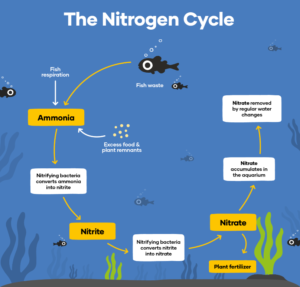
The nitrogen cycle is a natural process in which beneficial bacteria break down toxic organic waste into harmless compounds. In an aquarium, this waste begins as fish poop, uneaten food, and decaying plant matter.
Without these specialized bacteria, your aquarium water quickly becomes toxic. This organic breakdown follows a specific three-step chemical progression.
1. Ammonia Production
Waste decomposes and generates toxic ammonia ($NH_3$). Even trace levels damage sensitive fish gills.
2. Nitrite Conversion
A type of beneficial bacteria called Nitrosomonas consumes the ammonia. They convert it into nitrite ($NO_2^-$), which is still highly toxic and restricts oxygen absorption in fish blood.
3. Nitrate Accumulation
A second type of bacteria, Nitrobacter, transforms the harmful nitrite into nitrate ($NO_3^-$). Nitrate is relatively harmless in low quantities and is safely managed through routine water changes.
Why You Must Cycle a Betta Tank Before Adding Fish?
Placing a betta into an uncycled environment exposes them to immediate chemical burns. As they breathe and excrete waste, ammonia levels spike rapidly in small volumes of water.
This sudden accumulation causes New Tank Syndrome, the leading cause of early fish mortality. Affected fish experience severe physiological stress, ragged fins, and compromised immune systems.
By completing a fishless cycle first, you build a robust colony of biological filtration bacteria. This community neutralizes toxins the moment your fish enters the aquarium.
Essential Supplies for Cycling Your Tank
You need specific tools to monitor and fuel the development of your biological filter. Gather these items before starting the process.
-
A Liquid Test Kit: Avoid paper test strips because they lack precise accuracy. The API Master Test Kit is the industry standard for measuring ammonia, nitrite, and nitrate.
-
An Ammonia Source: You need pure, unscented household ammonium chloride or standard flake fish food to trigger the bacterial growth.
-
A Water Conditioner: Tap water contains chlorine and chloramines that kill beneficial bacteria. Use a dechlorinator like Seachem Prime to neutralize these chemicals.
-
An Aquarium Filter: The filter media provides the primary physical surface area where the beneficial bacterial colony lives and grows.
-
A Submersible Heater: Beneficial bacteria multiply much faster in warm water between 78°F and 82°F.
How to Cycle a Betta Fish Tank Properly: A Step-by-Step Guide
The fishless cycling method is the safest way to prepare an aquarium. It eliminates the risk of harming a live animal while building your biological filter.
Step 1: Set Up the Tank and Hardware
Position your aquarium on a level, secure surface away from direct sunlight. Rinse your substrate and decor thoroughly with plain water, then place them into the tank.
Fill the aquarium with tap water and immediately add your water conditioner. Install your filter and heater, turning both systems on to run continuously.
Step 2: Introduce the Ammonia Source
You must add ammonia to simulate fish waste and feed the initial bacteria. If using pure liquid ammonia, dose the water until your test kit reads exactly 2 to 4 parts per million (ppm).
If you prefer the fish food method, drop a small handful of flakes into the water. As the food decays over the next few days, it will naturally release ammonia into the water column.
Step 3: Monitor Chemical Fluctuations
Test your tank water every 48 hours for ammonia and nitrite. During the first two weeks, you will watch ammonia levels climb and then begin to drop.
As ammonia decreases, you will notice a distinct rise in nitrite levels. This shift confirms that your first colony of beneficial bacteria is actively growing.
Step 4: Keep the Bacteria Fed
Your developing bacteria need a continuous food supply to survive. When your tested ammonia drops below 1 ppm, add more liquid ammonia or fish food to bring the level back up to 2 ppm.
Never let the ammonia level drop to zero for an extended period. The bacteria will starve, stalling your overall progress.
Step 5: Wait for Nitrite to Drop and Nitrate to Rise
During weeks three and four, nitrite levels will peak significantly. Eventually, the second strain of bacteria will establish, and nitrites will rapidly drop toward zero.
Simultaneously, your liquid test kit will register a steady rise in nitrates. This indicates that the cycle is nearing its final stage.
Step 6: Verify the Cycle is Complete
Test the water one final time by adding enough ammonia to reach 2 ppm. Check the parameters again exactly 24 hours later.
Your aquarium is fully cycled if both ammonia and nitrite read exactly 0 ppm, and nitrates are present. The biological filter is now strong enough to process live fish waste safely.
How to Speed Up the Aquarium Cycling Process?
A standard fishless cycle generally takes four to six weeks to complete naturally. However, you can use safe methods to accelerate this timeline down to one or two weeks.
Use Seeded Filter Media
The fastest way to skip the wait is by borrowing established filter media. Ask a friend with a healthy, disease-free tank for a piece of their used filter sponge or a handful of substrate.
Place this seeded material directly into your new filter housing. It immediately transfers live, active bacterial colonies into your new system.
Add Bottled Live Bacteria
Commercial bacterial starters contain dormant strains of live nitrifiers. High-quality products like Dr. Tim’s Aquatics One & Only or Fluval Cycle introduce these organisms instantly.
Add the recommended dosage directly to your water filter while adding your initial ammonia source. This method cuts days off the initial colonization period.
Raise the Water Temperature
Bacteria reproduce much more slowly in chilly conditions. Increase your aquarium heater setting to 82°F for the duration of the cycling process.
This elevated warmth stimulates rapid bacterial metabolism and division. Just remember to lower the temperature back to 78°F before adding your betta fish.
Common Mistakes to Avoid During the Cycle
Many beginners accidentally ruin their progress due to a few common misconceptions. Avoid these specific actions to ensure your cycle finishes smoothly.
-
Replacing the Filter Cartridge: Manufacturers often tell you to change filter cartridges monthly. Doing this throws away your beneficial bacteria, completely crashing your cycle. Instead, gently rinse the media in a bucket of dirty tank water during water changes.
-
Using Untreated Tap Water: Forgetting the water conditioner introduces harsh chlorine to the tank. This chemical sterilizes your water and kills off your growing biological ecosystem.
-
Performing Large Water Changes: Unless your ammonia or nitrite levels climb past a dangerous 5 ppm, leave the water alone. Large water changes remove the necessary food source that your bacteria rely on to grow.
-
Cleaning with Soap: Never use dish soap, chemical cleaners, or bleach on aquarium equipment. Residual soap film kills fish instantly and permanently ruins your filter media.
Managing Water Parameters Post-Cycle
Once your aquarium is fully cycled, perform a large 50% water change to lower the accumulated nitrates. Your target parameters must hit specific levels before adding your betta.
| Water Parameter | Ideal Target Level | Action Required If High |
| Ammonia | 0 ppm | Stop, do not add fish; check filtration. |
| Nitrite | 0 ppm | Stop, do not add fish; wait for the cycle. |
| Nitrate | < 20 ppm | Perform a partial water change. |
| Temperature | 75°F to 80°F | Adjust the aquarium heater setting. |
Maintain these specific water conditions through regular, weekly maintenance. Change 20% to 25% of the water every seven days using a gravel vacuum to remove settled substrate debris.
Pro Tip: Always acclimate your betta fish to the water temperature before releasing them. Float their transport bag in the tank for 15 minutes so they do not experience sudden thermal shock.
Frequently Asked Questions About Betta Tank Cycling
Can I cycle a tank with live plants inside?
Yes, cycling with live aquarium plants is highly beneficial. Live plants absorb ammonia and nitrates directly, which helps maintain overall water stability and clarity.
What should I do if my aquarium cycle stalls?
Check your water pH level using your liquid testing kit. If the pH drops below 6.5, the beneficial bacteria stop reproducing, requiring a small water change to restore natural minerals.
Can I use distilled water for my betta fish tank?
Avoid using pure distilled or reverse osmosis water by itself. It lacks the critical minerals and electrolytes that betta fish need to regulate their internal hydration and kidney functions.
Summary of the Tank Cycling Process
Properly cycling your aquarium requires patience, but it guarantees your fish survive and thrive. By building a functional ecosystem first, you protect your pet from painful chemical exposure.
Keep your ammonia levels consistent, track your progress with a liquid test kit, and protect your filter media from tap water chlorine. Your betta will reward you with vibrant colors, active swimming, and a long, healthy life.
