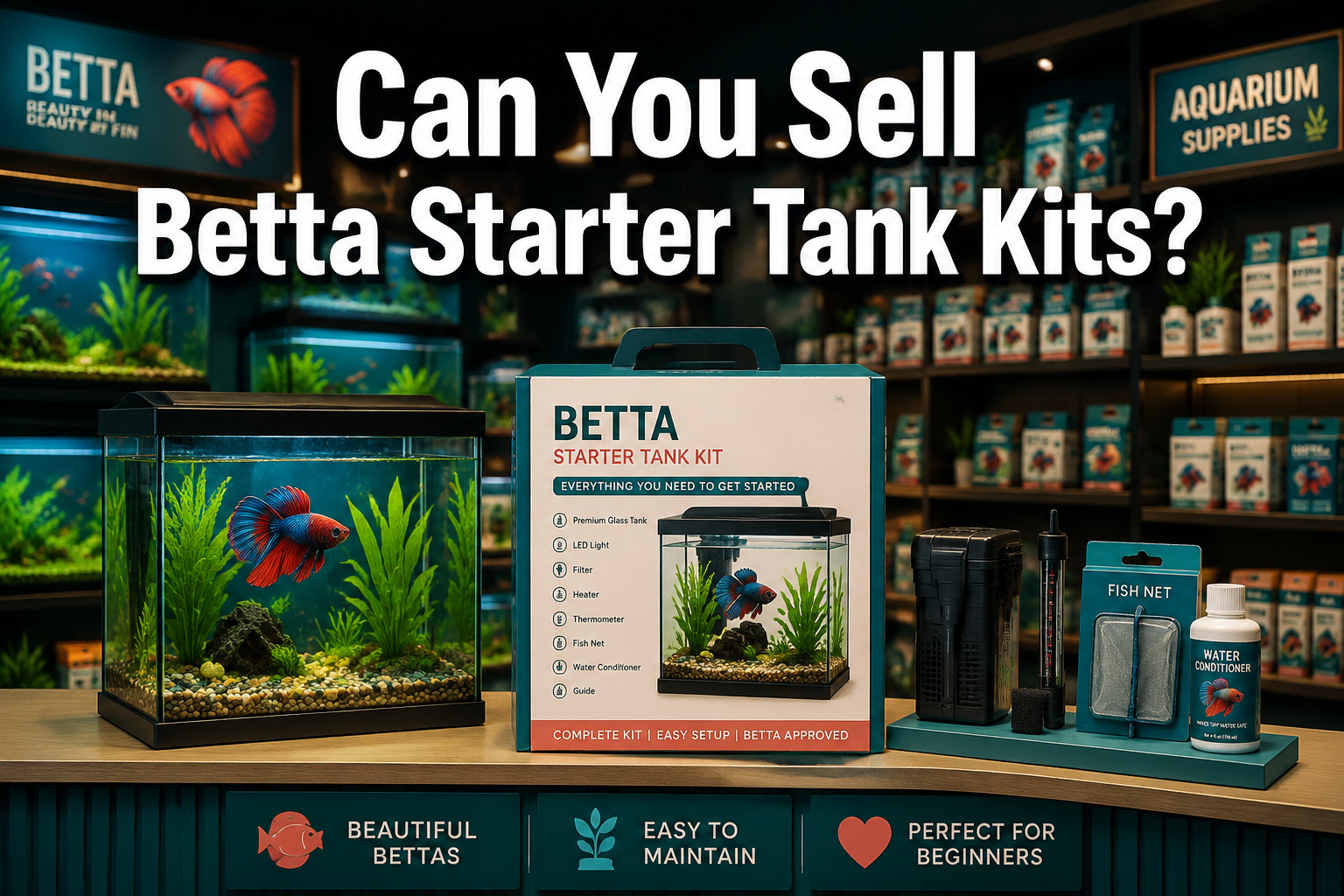
Yes, you can sell betta starter tank kits through multiple channels, including online marketplaces, local pet stores, and direct-to-consumer platforms. The key to success lies in understanding your target market, pricing competitively, and ensuring your kits meet basic betta care requirements with quality components.
What Makes Betta Starter Tank Kits Profitable to Sell?
Betta starter tank kits represent a profitable niche because they target first-time fish owners who want convenience and value. The pet industry generated over $260 billion globally in 2025, with aquarium supplies maintaining steady growth.
Key profit drivers include:
- Bundle pricing advantage: Selling components together commands higher margins than individual items.
- Beginner market size: Millions of people consider bettas as starter pets annually.
- Repeat customers: Successful first-time owners often upgrade or buy additional tanks.
- Low shipping complexity: Most components are lightweight and durable.
Margin breakdown for typical kits:
- 2.5-gallon tank: $8-12 wholesale, sells for $15-20.
- Basic filter: $3-5 wholesale, sells for $8-12.
- Small heater: $4-6 wholesale, sells for $10-15.
- Accessories bundle: $5-8 wholesale, sells for $12-18.
Choose this business model if you can source quality components at wholesale prices and have reliable shipping or local distribution methods.
Where Can You Sell Betta Starter Tank Kits Successfully?
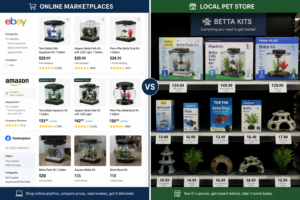
The most successful sellers use multiple channels to maximize reach and revenue. Each platform has distinct advantages and customer expectations.
Online marketplaces offer the widest reach:
- eBay: Best for auction-style listings and unique kit configurations.
- Amazon: Highest traffic, but requires FBA for a competitive advantage.
- Facebook Marketplace: Ideal for local sales without shipping costs.
- Etsy: Works for custom or artisan-style kit presentations.
Local channels provide higher margins:
- Pet stores: Consignment or wholesale arrangements.
- Farmers’ markets: Direct sales with personal interaction.
- Aquarium clubs: Targeted audience with higher spending power.
- Classified ads: Craigslist and local Facebook groups.
Pricing considerations by platform:
- Online marketplaces: Factor 10-15% platform fees plus shipping.
- Local sales: Can charge a premium for immediate availability.
- Wholesale to stores: Accept lower margins for volume sales.
Common mistake: Starting with too many platforms simultaneously. Focus on mastering one channel before expanding to others.
How Do You Price Betta Starter Tank Kits Competitively?
Competitive pricing requires understanding both your costs and market positioning. Research shows successful kits typically range from $35-85 depending on components and target market.
Cost calculation framework:
- Component costs: Add wholesale prices for all items.
- Packaging materials: Boxes, padding, labels ($2-5 per kit).
- Platform fees: 8-15% for online marketplaces.
- Shipping costs: $8-15 for standard kits.
- Desired profit margin: 25-40% is realistic for this market.
Market positioning strategies:
- Budget kits ($35-45): Basic 2.5-gallon setup for price-conscious buyers.
- Standard kits ($50-65): 3-5 gallon tanks with quality components.
- Premium kits ($70-85): Larger tanks with decorative elements and extras.
Pricing research methods:
- Check completed eBay listings for actual selling prices.
- Monitor Amazon pricing trends for similar products.
- Survey local pet stores for retail pricing.
- Join aquarium forums to understand buyer preferences.
Choose premium pricing if your kits include superior components or unique features. Budget pricing works when you can source components significantly below market rates.
What Components Should You Include When You Sell Betta Starter Tank Kits?
Successful kits balance cost, functionality, and customer satisfaction. Include components that ensure fish health while keeping costs manageable.
Essential components for any viable kit:
- Tank: Minimum 2.5 gallons (3-5 gallons preferred).
- Heater: Adjustable 25-50 watt depending on tank size.
- Filter: Gentle flow sponge or internal filter.
- Water conditioner: Small bottle for initial setup.
- Care guide: Basic feeding and maintenance instructions.
Value-added components that justify higher prices:
- LED lighting: Enhances visual appeal and plant growth.
- Substrate: Gravel or sand for a natural appearance.
- Decorations: Cave or plant for fish enrichment.
- Fish food: Small container of quality betta pellets.
- Water test strips: Help monitor water quality.
Components to avoid in starter kits:
- Bowls under 2.5 gallons (inadequate for betta health).
- Unregulated heaters (safety and reliability issues).
- Strong filters (can stress bettas with excessive current).
- Live plants (require additional care knowledge).
Quality components reduce returns and negative reviews. Invest in reliable heaters and filters even if margins decrease slightly.
What Are the Legal Requirements to Sell Betta Starter Tank Kits?
Most jurisdictions treat aquarium equipment as general retail merchandise, requiring no special permits or licenses beyond standard business registration.
Typical requirements include:
- Business license: Required for any commercial selling activity.
- Sales tax permit: Needed if your state/region charges sales tax.
- Reseller permit: Allows wholesale purchasing from suppliers.
- Product liability insurance: Recommended for protection against defects.
Important compliance considerations:
- Electrical components: Heaters and filters must meet safety standards (UL listed in the US).
- Packaging requirements: Include safety warnings for electrical items.
- Return policy: Clearly state terms for defective or unsuitable products.
- Accurate descriptions: Avoid misleading claims about tank capacity or component quality.
Special situations requiring additional permits:
- Selling live fish requires aquaculture or pet dealer licenses
- Importing equipment may require customs documentation
- Some states regulate electrical appliances more strictly
Check with your local Small Business Administration office for specific requirements in your area. Most sellers can start legally with basic business registration and sales tax compliance.
How Do You Source Quality Components for Betta Starter Tank Kits?
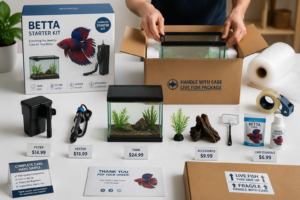
Reliable sourcing determines both profitability and customer satisfaction. Focus on suppliers who offer consistent quality at competitive wholesale prices.
Primary sourcing channels:
Wholesale distributors:
- Pros: Established quality standards, bulk pricing, reliable shipping.
- Cons: Higher minimum orders, less flexibility on pricing.
- Best for: Sellers planning consistent volume sales.
Direct from manufacturers:
- Pros: Lowest prices, custom packaging options, direct quality control.
- Cons: Very high minimums, longer lead times, and language barriers.
- Best for: High-volume sellers with storage capacity.
Liquidation and overstock:
- Pros: Significantly reduced costs, name-brand components possible.
- Cons: Inconsistent availability, potential quality issues, and no warranty.
- Best for: Experienced sellers who can evaluate quality quickly.
Sourcing evaluation criteria:
- Component reliability and safety certifications.
- Supplier responsiveness and communication quality.
- Shipping speed and packaging adequacy.
- Return/exchange policies for defective items.
Start with small orders from multiple suppliers to evaluate quality and service before committing to larger purchases. Document which components generate customer complaints to avoid future sourcing mistakes.
FAQ
Can you sell betta starter kits without a business license?
No, selling products for profit requires appropriate business registration and tax compliance in most jurisdictions, even for small-scale operations.
What’s the minimum tank size to include in starter kits?
2.5 gallons is the absolute minimum for betta health, though 3-5 gallon tanks provide better conditions and justify higher pricing.
How much profit can you expect from selling betta starter kits?
Profit margins typically range from 25-40% after all costs, with successful sellers earning $10-25 per kit depending on pricing and sourcing.
Do you need special insurance to sell aquarium equipment?
General product liability insurance is recommended but not legally required in most areas, especially for electrical components like heaters and filters.
What’s the biggest mistake new sellers make with betta kits?
Including poor-quality heaters or filters that fail quickly, leading to negative reviews and returns that eliminate profits.
How do you handle returns for defective starter kits?
Establish clear return policies upfront, work with suppliers who accept returns for defective items, and budget 5-10% of revenue for return-related costs.
Can you sell betta starter kits internationally?
Yes, but research import regulations for electrical components and factor international shipping costs into pricing strategies.
What’s the best time of year to sell betta starter kits?
Peak demand occurs during holidays (especially Christmas), back-to-school periods, and spring months when people start new hobbies.
How do you compete with big retailers like Petco or PetSmart?
Focus on unique kit configurations, superior component quality, personalized customer service, or competitive pricing through efficient sourcing.
Final Thoughts
Selling betta starter tank kits offers a viable business opportunity for entrepreneurs willing to focus on quality components and customer satisfaction. Success depends on understanding your target market, sourcing reliable components at competitive prices, and choosing the right sales channels for your situation.
Your next steps:
- Research local business licensing requirements and complete necessary registrations
- Identify 2-3 potential component suppliers and request wholesale pricing
- Choose one primary sales platform to focus your initial efforts
- Create 5-10 starter kits to test market demand and pricing
- Develop standard operating procedures for packaging and shipping
The pet industry’s continued growth and the popularity of bettas as starter pets create ongoing opportunities for dedicated sellers who prioritize fish health and customer education in their kit designs.