
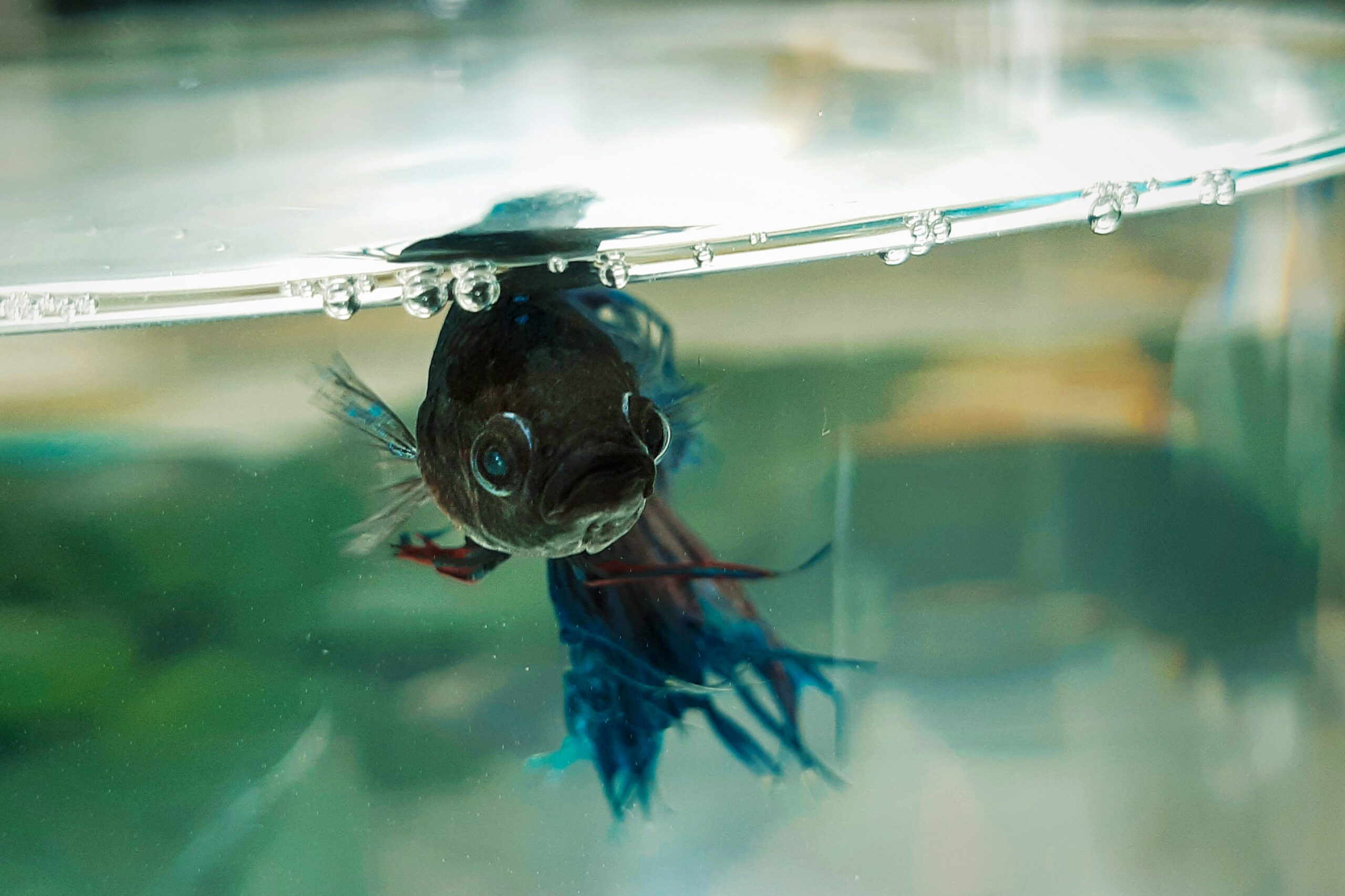
Are you planning a trip and wondering how long betta fish can go without food? You are not alone. Many aquarists face this exact dilemma when leaving home for a few days. The quick answer is that a healthy adult betta can survive up to 14 days without eating.
However, just because they can survive does not mean they should. Leaving them hungry for two weeks causes severe stress and potential health issues.
Exactly How Long Can Betta Fish Go Without Food?
To answer directly, survival depends entirely on a fish’s age, size, and health. Here is a breakdown of fasting limits for different life stages:
- Healthy Adults: 10 to 14 days maximum.
- Juveniles (Under 6 months): 3 to 5 days maximum.
- Fry (Babies): 12 to 24 hours maximum.
- Sick or Old Bettas: 2 to 3 days maximum.
While two weeks is the absolute limit for adults, the safe window is much shorter. You should never intentionally leave your pet unfed for more than 4 days. Beyond this point, their immune system weakens rapidly.
Healthy Adult Bettas
Adult Siamese fighting fish possess fat reserves that help them endure lean periods. In the wild, food scarcity is a common occurrence during certain seasons. Their bodies adapt by slowing down their metabolism to conserve energy.
This natural trait allows a robust adult to safely fast for a few days. Going beyond seven days enters the danger zone.
Fry and Juvenile Bettas
Young fish require a constant supply of fuel for rapid growth and physical development. A betta fry will starve within a day without microscopic live foods. Juveniles under six months old lack the fat stores of fully grown adults.
Missing meals stunts their growth and causes permanent developmental damage. Always ensure young aquatic pets are fed daily without interruption.
Senior or Sick Fish
Older fish naturally possess slower metabolisms and weaker immune defenses. If a fish is already battling an infection, fasting deprives it of the energy needed for healing. Sick individuals need high-quality proteins to recover effectively from ailments.
Withholding meals from an ailing pet can accelerate fatal outcomes quickly. Never force a sick individual to skip meals unless treating specific digestive blockages.
What Happens Inside a Fasting Betta?
Understanding the biological process helps you make better decisions for your tank. A fish’s body reacts to starvation in distinct, predictable stages. Here is what happens when calories stop entering the system completely.
Day 1 to 3: Digestive Clearing
The first 72 hours without meals are usually harmless for a healthy adult. Their digestive tract slowly empties all remaining waste from previous meals. Many hobbyists actually encourage a one-day fast once a week to prevent severe constipation.
The fish might swim actively, searching the substrate for leftover flakes. Their energy levels remain completely normal during this initial phase.
Day 4 to 7: Energy Conservation
By the fourth day, the metabolic rate begins to drop significantly to survive. The fish will move less to preserve vital calorie reserves. You will notice them resting on plant leaves or the tank bottom more frequently.
Their bright colors might begin to appear slightly dull or faded. Their body is now burning stored fat to maintain basic organ functions.
Day 8 and Beyond: Starvation Risk
Entering the second week of fasting puts massive physical strain on the animal. The liver and kidneys start working overtime to process muscle tissue for energy. Severe lethargy sets in, and the fish may struggle to reach the surface for air.
At this stage, the immune system completely shuts down. They become highly susceptible to common tank pathogens, fungi, and parasites.
Signs Your Betta Fish Needs Nutrition Immediately
Monitoring physical changes is highly important after a long trip. Starving aquatic pets display clear physical and behavioral distress signals. Look for these specific warning signs in your tank:
- Sunken Belly: The abdomen appears hollow or severely pinched inwards.
- Loss of Color: Vibrant reds and blues fade into dull grays or browns.
- Lethargy: The fish remains motionless at the bottom and ignores outside stimuli.
- Clamped Fins: Fins are held tightly against the body rather than spreading open.
- Labored Breathing: Heavy, rapid gill movement indicates severe internal stress.
If you spot any of these symptoms, immediate dietary intervention is required. Prolonged neglect leads to irreversible organ damage and eventual death.
Going on Vacation: How to Feed Your Betta
A weekend trip usually requires no special preparation or equipment. However, vacations lasting more than 4 days require a solid feeding strategy. You have several reliable options to keep your tank fed while away.
According to the American Veterinary Medical Association, planning proper pet care before traveling is a vital responsibility. Let us explore the best methods for aquariums.
Automatic Fish Feeders
An automated dispenser is the safest mechanical option for aquarium owners. These devices attach to the tank rim and drop portions at scheduled intervals. You can program them to dispense tiny pellets once or twice daily.
Always test the machine for a few days before your departure. Ensure it drops the correct amount to prevent dangerous ammonia spikes from rotting leftovers.
Calibrating Your Automatic Dispenser
Buying a machine does not guarantee safety; physical calibration does. Most commercial feeders drop entirely too much food on their lowest setting. You must modify the dropping mechanism before leaving the house.
Tape off a portion of the dispenser hole to restrict output. Run the machine over a blank piece of white paper for three days. Count the exact number of pellets that fall during each rotation to confirm the portion.
Hiring a Pet Sitter
Having a trusted friend or neighbor visit is the absolute best solution. A human can monitor water temperature, check filter operation, and look for signs of disease. To prevent overfeeding, place daily pellet portions in separate daily pill organizers.
Hide the main container so the sitter cannot accidentally dump a massive amount into the water. Clear instructions eliminate any dangerous guesswork for non-hobbyists.
Detailed Instructions for Pet Sitters
When enlisting a friend, never assume they know how to handle aquatic life. Non-hobbyists often believe fish need massive handfuls of flakes like in the movies. Create a clear, written checklist for your sitter to follow.
Write down the exact number of pellets required per day. Show them where the water conditioner is located in case of an emergency spill. Demonstrate how to check the thermometer to ensure the heater remains active.
The Dangers of Vacation Feeder Blocks
Many pet stores market plaster feeder blocks as the ultimate holiday solution. However, they frequently cause more aquarium disasters than they actually solve.
The blocks are made of calcium sulfate, with low-quality food flakes embedded. As the plaster dissolves, it aggressively alters the tank’s pH and hardness levels.
Sudden shifts in water chemistry shock the sensitive internal organs of your aquatic pet. Furthermore, the uneaten food particles rot rapidly at the bottom of the enclosure.
You might return home to a tank full of cloudy, toxic water and a severely sick animal. It is almost always safer to let your pet fast for four days than to use a cheap feeding block.
How to Resume Feeding After a Fast?
When you return home, your first instinct might be to offer a massive meal. Do not do this under any circumstances. A shrunken digestive tract cannot suddenly process a large amount of food. Overfeeding right after starvation causes severe bloating and fatal blockages.
Start by offering just one or two high-quality pellets. Wait a few hours to ensure they digest it properly without swelling. The next day, you can slightly increase the portion size.
Gradually return to your normal schedule over a three-day recovery period. Live or frozen options, such as daphnia, are excellent for safely kick-starting a sluggish digestive system.
Can Fasting Be Good for Siamese Fighting Fish?
[Image alt text: Aquarium hobbyist using a small net to clean a planted betta tank]
While forced starvation is dangerous, brief controlled fasting provides incredible health benefits. In fact, many experienced keepers maintain weekly fasting schedules. Skipping meals mimics their natural environment, where hunting is not always successful.
Curing Swim Bladder Disease
Overeating directly impacts a fish’s buoyancy control mechanism. A bloated stomach presses against the swim bladder, causing the animal to float sideways or sink violently. Withholding food for 2 to 3 days is the primary treatment for this condition.
It allows the digestive tract to clear the blockage naturally. Once the internal swelling reduces, normal swimming behavior returns.
Preventing Constipation
Bettas are prone to severe constipation due to high-protein commercial diets. Dry pellets expand in the stomach, leading to painful intestinal impaction. Fasting once a week gives the intestines time to rest and eliminate waste. Feeding a small piece of boiled, skinned pea after a fast acts as a natural laxative. This routine maintains excellent long-term gut health.
Wild vs. Captive Diet Differences
Understanding their natural habitat sheds light on their fasting capabilities. In the shallow waters of Southeast Asia, these carnivores hunt insects and mosquito larvae continuously. They do not eat massive meals at once in the wild. Instead, they graze on tiny organisms throughout the day as they find them.
Captive environments completely change this dietary dynamic. Aquarium diets consist of dense, moisture-free pellets packed with highly concentrated protein. This unnatural density is why brief fasting is often necessary for indoor pets.
Captive fish consume more calories in one sitting than their wild counterparts. Recognizing this difference helps owners better manage portion control.
What Should a Proper Diet Include?
When you are feeding your pet, quality matters as much as frequency. A malnourished fish will struggle to survive even a short weekend fast. Building up strong fat reserves requires a balanced, species-appropriate diet. According to the College of Veterinary Medicine, proper aquatic nutrition helps prevent the most common diseases.
- High Protein: Look for pellets with whole fish or krill as the first ingredient.
- Live Foods: Brine shrimp and micro-worms provide excellent mental stimulation and pure protein.
- Frozen Options: Bloodworms make fantastic weekly treats, but should not replace staple pellets.
Avoid cheap flake brands loaded with wheat and corn fillers. These plant-based ingredients pass right through the digestive system without providing usable energy. A premium diet ensures your pet can handle occasional missed meals effortlessly.
The Impact of Water Quality When Skipping Meals
Clean water becomes incredibly important when your fish is not eating. A fasting animal relies entirely on its environment to maintain a strong immune system. Poor water parameters accelerate the physical decline associated with starvation. High ammonia levels cause immediate gill burns and severe internal stress.
If the filter fails while you are away, the toxic water will harm the fish long before hunger does. Always perform a substantial water change right before leaving for a trip. Clean, warm water helps safely slow down their metabolism.
Make sure the heater functions correctly, keeping temperatures steady around 78 to 80 degrees Fahrenheit.
Fasting During Unexpected Emergencies
Sometimes you are forced to stop feeding due to external emergencies, such as storms. Extended power outages disrupt filter functions and completely halt heater operations. In these stressful situations, skipping meals is actually the safest protocol.
Without a working filter, beneficial bacteria die off quickly in the media. Feeding your fish during this time creates waste that the dead filter cannot process.
This leads to a lethal ammonia spike in the stagnant water. Stop providing meals immediately during an outage. Your pet can easily survive a few days without food while you fix the equipment.
Establishing an Optimal Weekly Feeding Schedule
To prepare your pet for any future fasting, establish a strict baseline routine. Consistency builds robust health and predictable digestion. Here is a widely accepted schedule for adult specimens:
- Monday to Saturday: Feed two to three high-quality pellets twice a day.
- Sunday: Fast entirely to clear the digestive tract.
- Treat Days: Replace one evening pellet meal with frozen bloodworms twice a week.
This routine ensures the animal receives maximum nutrition without risking severe bloating. When your pet is accustomed to a routine fast, a sudden two-day weekend trip will not shock their system. They will treat the brief absence as a slightly extended digestive rest period.
Knowing exactly how long betta fish can go without food helps you plan travels responsibly. While a healthy adult survives up to 14 days, you should never push this absolute limit. Fasting beyond four days causes unnecessary stress and weakens their vital immune defenses.
Always arrange for a calibrated automatic dispenser or a trusted friend for long trips. By understanding their dietary limits, you ensure your aquatic companion lives a long, vibrant life.
